


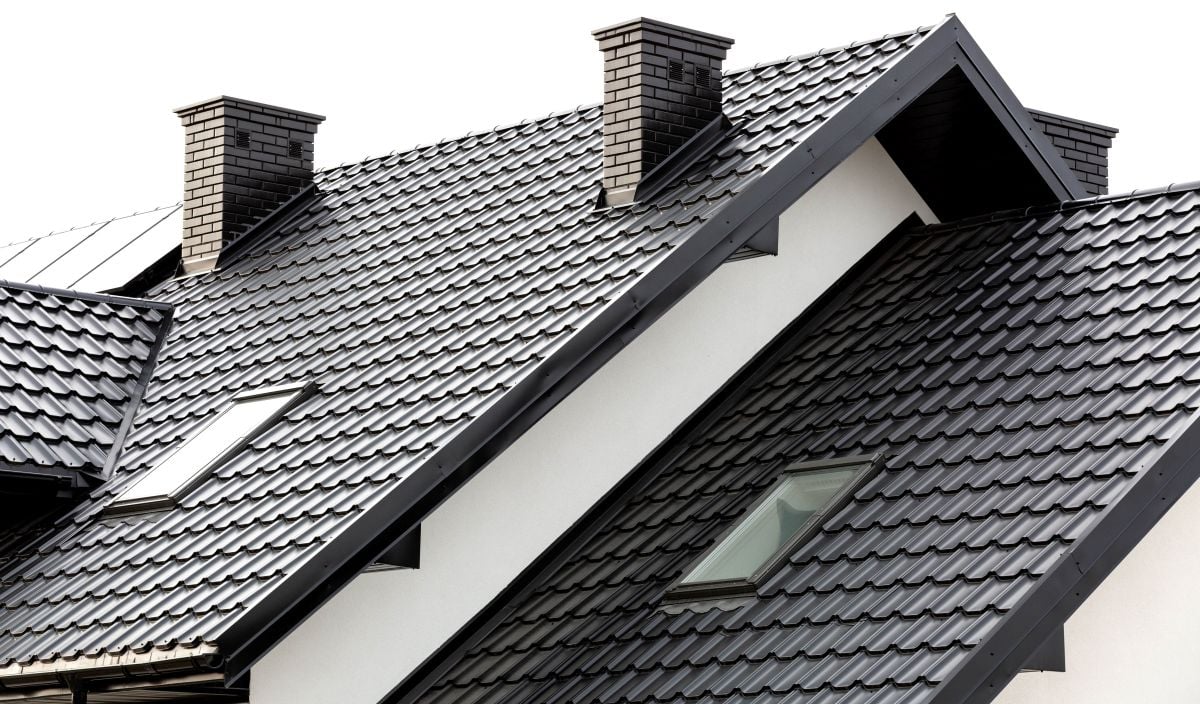
Metal Roofing Types Explained: Styles, Costs & Durability Compared
Metal roofing types offer homeowners a wide range of options when it comes to durability, appearance, and long term value. Metal roofing continues to grow in popularity because of its strength, energy efficiency, and modern design flexibility. However, not all metal roofs are the same, and understanding the differences helps you make the right choice for your home.
- Style variety: From sleek standing seam panels to classic metal shingles, there are options for nearly every architectural design.
- Cost considerations: Pricing varies based on material, profile, and installation complexity.
- Durability factors: Some metal systems last 40 to 70 years with proper installation and maintenance.

What Are The Main Metal Roofing Types?
There are several distinct metal roofing systems available today. Each type has unique installation methods, cost ranges, and performance characteristics.
Standing Seam Metal Roofing
Standing seam is one of the most recognized metal roofing types. It features vertical panels with raised seams that interlock above the surface of the roof. These concealed fasteners create a clean, modern appearance while improving weather resistance.
- Concealed fasteners: Hidden clips reduce the risk of leaks and corrosion.
- Superior weather resistance: Raised seams help prevent water intrusion.
- Long lifespan: Many standing seam roofs last 40 to 70 years with proper care.
Standing seam systems are often more expensive than other metal options due to material thickness and specialized installation. However, homeowners frequently choose this style for its sleek look and long term performance.
Metal Shingles
Metal shingles are designed to mimic traditional roofing materials such as asphalt, slate, or wood shake. They offer the durability of metal while maintaining a classic aesthetic that blends well with residential neighborhoods.
- Traditional appearance: Replicates the look of slate, shake, or standard shingles.
- Lightweight design: Places less stress on the roof structure.
- Enhanced durability: Resistant to cracking, warping, and insect damage.
Metal shingles are generally more affordable than standing seam systems. They also provide flexibility for homeowners who want the strength of metal without a modern panel appearance.
Corrugated Metal Panels
Corrugated panels feature a wavy or ribbed design and are commonly used in agricultural or industrial settings. However, they are increasingly installed on residential properties seeking a bold architectural style.
- Cost effective option: Often less expensive than premium panel systems.
- Strong structural profile: Ribbed shape increases strength and rigidity.
- Versatile applications: Suitable for both residential and commercial buildings.
Corrugated metal can be a budget friendly solution, though exposed fasteners require careful maintenance to prevent leaks over time.

What Materials Are Used In Metal Roofing?
Beyond profile styles, metal roofing types also differ based on the material used. Each metal offers distinct benefits related to longevity, maintenance, and cost.
Steel Roofing
Steel is one of the most common materials used in residential metal roofing. It is typically coated with protective layers to prevent rust and corrosion.
- Durability: Strong and impact resistant under normal weather conditions.
- Affordability: Often more budget friendly than aluminum or copper.
- Protective coatings: Galvanized or galvalume finishes enhance corrosion resistance.
Steel roofing provides excellent performance in most climates when properly maintained and coated.
Aluminum Roofing
Aluminum is lightweight and naturally resistant to corrosion, making it ideal for coastal environments. It performs well in areas with high humidity or salt exposure.
- Corrosion resistance: Does not rust like untreated steel.
- Lightweight structure: Easier to install and reduces structural load.
- Energy efficiency: Reflective properties can lower cooling costs.
Aluminum often costs more than steel but may offer better long term performance in specific environments.
Copper Roofing
Copper is considered a premium roofing material known for its distinctive appearance and exceptional longevity. Over time, it develops a natural patina that protects the surface and enhances its character.
- Extremely long lifespan: Copper roofs can last over 70 years.
- Low maintenance: Naturally resistant to corrosion.
- High upfront cost: One of the most expensive metal roofing options available.
Copper is typically chosen for high end homes or architectural accents rather than full roof coverage due to cost.
6 Factors That Influence Metal Roofing Costs
Understanding pricing helps homeowners compare metal roofing types effectively. Costs vary based on several important considerations.
- Material Selection: Steel is generally less expensive than aluminum or copper.
- Roof Size And Complexity: Larger roofs or those with steep slopes require more labor and materials.
- Panel Style: Standing seam systems often cost more than corrugated panels.
- Underlayment Requirements: Premium moisture barriers can increase overall investment.
- Labor Expertise: Specialized installation may impact pricing.
- Local Market Conditions: Regional demand and supply influence material and labor rates.
While metal roofing has a higher upfront cost compared to asphalt shingles, its extended lifespan often provides long term value.

How Durable Are Different Metal Roofing Types?
Durability is one of the biggest reasons homeowners choose metal roofing. However, performance varies depending on material and design.
Wind Resistance
Many metal roofing systems are engineered to withstand high wind speeds. Standing seam panels, in particular, offer excellent resistance due to concealed fasteners and secure interlocking seams.
- Interlocking design: Prevents uplift during strong winds.
- Secure attachment systems: Clips and fasteners enhance stability.
- Manufacturer ratings: Many systems are tested for high wind performance.
Proper installation remains critical to achieving rated wind resistance levels.
Impact And Weather Protection
Metal roofs are generally resistant to hail and debris impact. Thicker gauge materials provide greater protection against dents and surface damage.
- Impact ratings: Some systems are rated for severe weather conditions.
- Fire resistance: Metal roofing does not ignite under typical fire exposure.
- Moisture protection: Panels shed water efficiently when installed correctly.
This durability makes metal roofing types appealing in areas prone to storms or heavy snowfall.
Longevity Compared To Asphalt
Compared to traditional asphalt shingles, metal roofing typically lasts significantly longer. While asphalt roofs often last 15 to 30 years, metal systems frequently exceed 40 years with proper maintenance.
- Extended lifespan: Many metal roofs outlast multiple asphalt replacements.
- Lower maintenance frequency: Fewer repairs are needed over time.
- Sustained performance: Metal maintains structural integrity for decades.
Although the initial investment is higher, the reduced need for replacement can offset long term costs.
Is Metal Roofing Right For Your Home?
Choosing between metal roofing types depends on your budget, climate, and aesthetic preferences. Some homeowners prioritize modern design, while others focus on maximum longevity or corrosion resistance.
Working with experienced roofing professionals ensures you receive accurate recommendations based on your specific home structure and location. Proper installation, ventilation, and underlayment all influence the overall performance of a metal roof.
Choose Alpine Roofing For Expert Metal Roof Installation
Metal roofing types offer impressive durability, versatile design options, and long term value for homeowners seeking a strong alternative to traditional materials. From standing seam panels to classic metal shingles, each system has unique advantages that deserve careful consideration.
Alpine Roofing provides professional guidance to help you compare styles, understand costs, and select the right metal roofing solution for your home. Our experienced team prioritizes quality workmanship and attention to detail at every stage of installation. Reach out to Alpine Roofing today for expert guidance and a free estimate so you can confidently choose the best metal roofing system for lasting protection and performance.
Fresh From Our Blog


Happy Roof, Happy Home


