


Roof Installation Guide: Steps, Materials & What Homeowners Should Expect
Roof installation is one of the most important upgrades a homeowner can make to protect their property and increase long term value. Whether you are building a new home or replacing an aging roof, understanding the full process helps you feel confident and prepared. From material selection to final inspection, every step plays a role in durability and performance.
- Clear process overview: Learn what happens before, during, and after installation day.
- Material options explained: Compare common roofing materials and their benefits.
- Preparation tips: Know how to get your home ready for a smooth installation experience.

What Happens Before Roof Installation Begins?
Preparation is critical for a successful roofing experience. Before any shingles are installed, several important steps ensure the structure is ready for long term performance.
Initial Roof Inspection And Assessment
Every roof installation starts with a thorough inspection. Roofing professionals evaluate the existing roof, decking condition, ventilation system, and structural components. This assessment determines whether repairs are needed before installation begins and helps identify the best material choices for your home.
- Structural evaluation: Inspectors check decking for rot, sagging, or moisture damage.
- Ventilation review: Proper attic airflow is confirmed to support roof longevity.
- Material recommendations: Contractors suggest roofing options based on climate and budget.
Choosing The Right Roofing Materials
Selecting the appropriate materials is one of the most important decisions homeowners make. Asphalt shingles are the most common choice due to affordability and durability, while metal, tile, and composite materials offer different performance advantages.
- Asphalt shingles: Cost effective and widely available in various styles.
- Metal roofing: Long lasting and resistant to fire and extreme weather.
- Tile roofing: Durable and visually appealing for certain architectural styles.
Scheduling And Permitting
Before installation day, contractors handle scheduling and any required permits. Local building codes often require documentation to ensure safety and compliance. Clear communication about timelines helps homeowners prepare for the installation process.
- Permit acquisition: Ensures compliance with local building regulations.
- Timeline planning: Establishes start and completion expectations.
- Weather considerations: Scheduling accounts for safe and dry conditions.
Step By Step Roof Installation Process
Understanding the sequence of events during roof installation can reduce stress and eliminate surprises. While timelines vary depending on roof size and material, most residential installations follow a structured process.
Removal Of Existing Roofing
If replacing an old roof, the first step is removing the current shingles and underlayment. This allows contractors to inspect the decking and address any hidden damage before installing new materials.
- Complete tear off: Old shingles and nails are removed down to the deck.
- Deck inspection: Contractors check for soft spots or structural weakness.
- Debris management: Materials are safely disposed of to maintain a clean site.
Installing Underlayment And Flashing
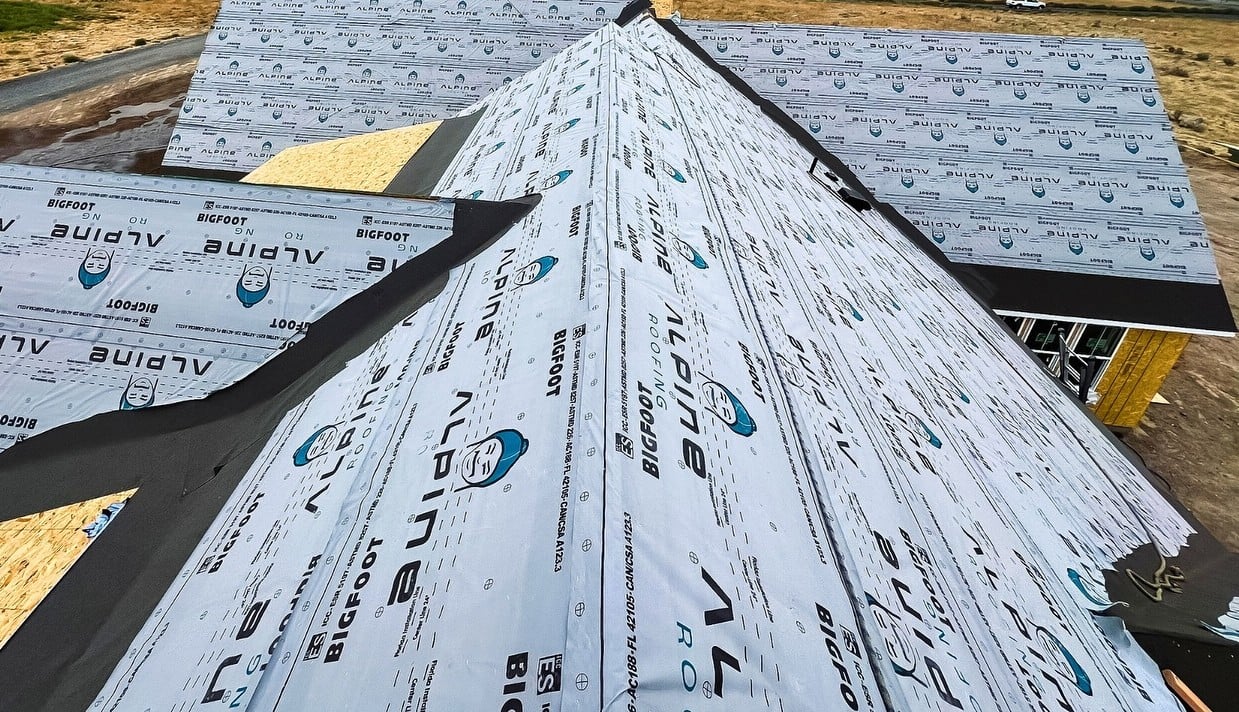
After the roof deck is prepared, a protective underlayment is installed. This layer acts as a moisture barrier and adds extra protection against leaks. Flashing is then placed around chimneys, vents, and valleys to prevent water intrusion.
- Moisture barrier: Underlayment provides secondary leak protection.
- Flashing installation: Metal flashing seals vulnerable roof areas.
- Ice and water shield: Added protection in areas prone to snow or pooling.
Installing Shingles Or Roofing Panels
The final visible layer is installed according to manufacturer guidelines. Precision placement ensures proper alignment, wind resistance, and overall durability. Attention to detail during this stage directly impacts long term performance.
- Accurate alignment: Shingles are placed evenly for consistent coverage.
- Proper fastening: Correct nail placement prevents lifting or shifting.
- Ridge cap installation: Finishing touches seal the peak of the roof.

6 Materials Commonly Used In Roof Installation
Choosing the right material affects lifespan, energy efficiency, and maintenance requirements. Each option offers unique advantages for homeowners.
- Asphalt Shingles: Affordable, versatile, and available in multiple styles and colors.
- Architectural Shingles: Thicker than standard shingles with enhanced durability and visual appeal.
- Metal Roofing Panels: Long lasting material known for strength and weather resistance.
- Clay Or Concrete Tile: Durable and visually distinctive, often used in warmer climates.
- Composite Roofing: Manufactured to mimic natural materials while offering lower maintenance.
- Wood Shakes: Natural appearance with solid insulation properties when properly maintained.
What Homeowners Should Expect During Installation
Preparing for installation day helps minimize disruptions and ensures a smoother experience. Knowing what to anticipate allows you to plan accordingly.
Noise And Activity
Roof installation involves significant noise from hammering and material movement. Crews will move around your property, and delivery trucks may be present throughout the day. While this activity is temporary, it is helpful to plan around it.
- Loud working conditions: Hammering and equipment use are part of the process.
- Limited yard access: Roofing materials and ladders require workspace.
- Temporary vibration: Minor vibrations may be felt inside the home.
Property Protection Measures
Professional roofing teams take steps to protect landscaping, siding, and driveways during installation. Protective coverings and strategic material placement reduce the risk of damage.
- Tarp placement: Covers landscaping and outdoor features.
- Magnetic cleanup: Removes stray nails from the yard and driveway.
- Debris containment: Dumpsters or trailers manage waste efficiently.
Final Inspection And Cleanup
Once installation is complete, contractors conduct a final walkthrough to ensure quality workmanship. Cleanup is performed to leave your property in excellent condition.
- Quality review: Contractors verify proper installation and sealing.
- Site cleanup: Debris and materials are removed from the property.
- Homeowner walkthrough: Final inspection provides peace of mind.
How Long Does Roof Installation Take?
The duration of roof installation depends on factors such as roof size, material type, and weather conditions. Most residential asphalt shingle roofs are completed within one to three days. Larger homes or specialty materials may require additional time.
Clear communication with your roofing contractor ensures realistic expectations. Weather delays can occasionally extend timelines, but proper planning minimizes disruptions. Understanding the schedule allows homeowners to coordinate work, childcare, or other responsibilities accordingly.

Trust Alpine Roofing For Professional Roof Installation
Roof installation is a major investment that directly impacts your home’s safety, energy efficiency, and overall value. Choosing experienced professionals ensures the process is handled with care, precision, and attention to detail. From initial inspection to final cleanup, every step matters in achieving long lasting results.
Alpine Roofing is committed to delivering dependable craftsmanship and clear communication throughout every stage of installation. Our team helps homeowners select the right materials, prepares the structure properly, and completes installation according to industry best practices. Reach out to Alpine Roofing today for expert guidance and a free estimate so your roof installation delivers lasting protection and peace of mind.
Fresh From Our Blog


Happy Roof, Happy Home


