


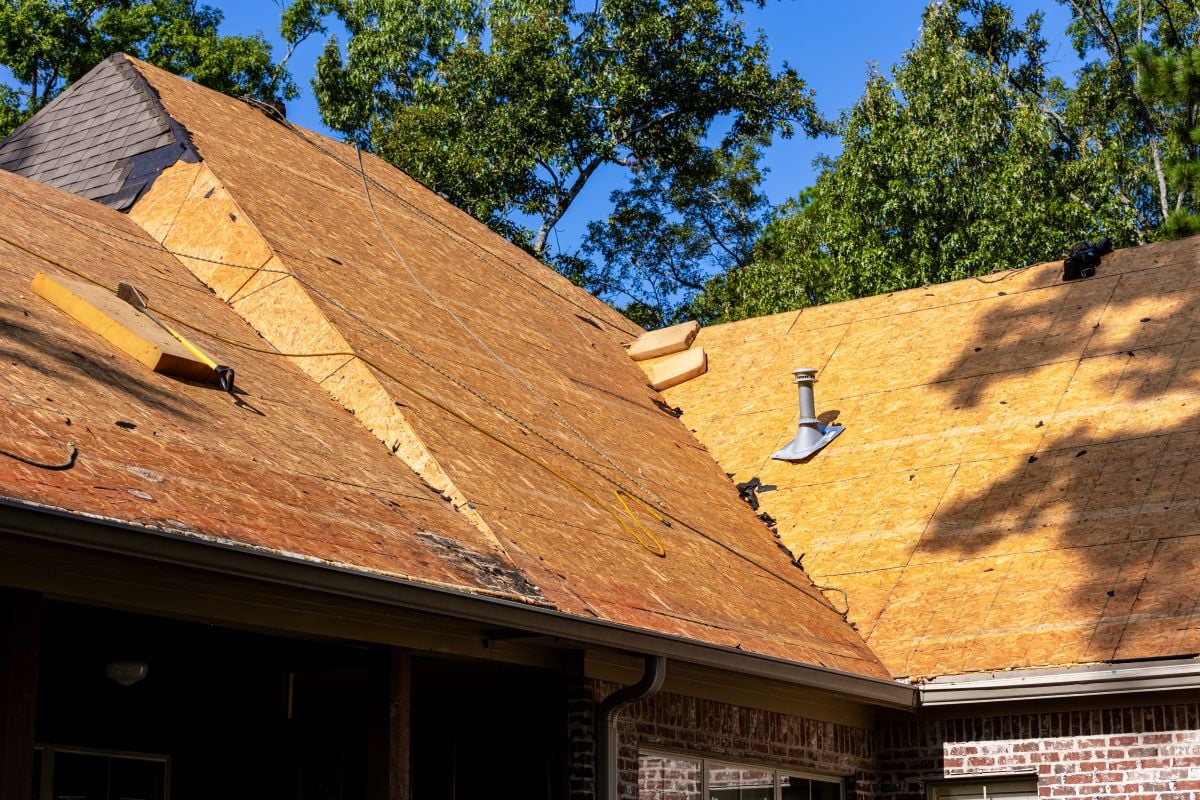
When To Replace Your Roof: Warning Signs Every Homeowner Should Know
When to replace roof is a question every homeowner eventually faces as their roofing system ages and begins to show signs of wear. Your roof plays a critical role in protecting your home, so knowing when it is time for a replacement can prevent costly damage and unexpected issues. By understanding the warning signs and lifespan factors, you can make informed decisions and avoid emergency situations.
- Know the timeline: Most roofs have a predictable lifespan depending on the material used.
- Spot early warning signs: Visible damage often appears before major problems develop.
- Plan ahead: Replacing your roof at the right time helps protect your home and budget.

How Long Does A Roof Typically Last?
Roof lifespan varies based on materials, installation quality, and environmental conditions. Knowing what to expect can help you determine when replacement may be necessary.
Asphalt Shingle Roof Lifespan
Asphalt shingles are the most common roofing material for residential homes. They typically last between 15 and 30 years depending on whether they are standard or architectural shingles. Over time, exposure to sunlight, moisture, and temperature changes gradually breaks down the material.
- Standard shingles: Often last 15 to 20 years under normal conditions.
- Architectural shingles: Thicker design may extend lifespan closer to 30 years.
- Weather impact: Harsh climates can shorten overall durability.
Metal Roof Lifespan
Metal roofing systems are known for their long lasting performance. With proper installation and maintenance, they can last 40 to 70 years or more. Their resistance to cracking, shrinking, and corrosion contributes to their extended lifespan.
- Long term durability: Metal roofs often outlast multiple asphalt replacements.
- Weather resistance: Performs well in wind, snow, and rain.
- Low maintenance: Requires fewer repairs over time.
Tile And Specialty Roof Lifespan
Tile, slate, and other specialty materials can last even longer than metal in some cases. However, they often come with higher upfront costs and specific structural requirements.
- Extended lifespan: Some materials can last 50 years or more.
- Heavy weight: May require additional structural support.
- Premium investment: Higher cost but long term value.
8 Warning Signs You May Need A Roof Replacement
Your roof will often show visible signs before failure occurs. Recognizing these issues early allows you to take action before damage spreads.
- Curling Or Buckling Shingles: Shingles that lift or warp indicate aging materials and reduced protection.
- Missing Shingles: Gaps expose the roof deck to moisture and increase leak risk.
- Granules In Gutters: Excess granule loss signals that shingles are deteriorating.
- Cracked Or Damaged Shingles: Cracks allow water to penetrate beneath the surface.
- Sagging Roof Areas: Structural issues may be present beneath the shingles.
- Frequent Leaks: Repeated leaks often indicate widespread roofing failure.
- Dark Streaks Or Moss Growth: Moisture retention can accelerate deterioration.
- Interior Water Stains: Ceiling discoloration is often a sign of roof leaks.

What Factors Influence When To Replace A Roof?
Several variables affect how quickly a roof reaches the end of its lifespan. Understanding these factors helps homeowners better plan for replacement.
Climate And Weather Conditions
Weather plays a major role in determining when to replace roof systems. Homes exposed to extreme heat, heavy snowfall, or frequent storms may experience faster wear. Temperature fluctuations can cause materials to expand and contract, leading to cracks and weakening over time.
- Sun exposure: UV rays break down roofing materials gradually.
- Storm damage: Wind and hail can accelerate deterioration.
- Freeze and thaw cycles: Repeated expansion weakens shingles.
Installation Quality
A properly installed roof will last significantly longer than one installed incorrectly. Poor workmanship can lead to premature failure, leaks, and reduced durability.
- Proper fastening: Ensures shingles remain secure in high winds.
- Accurate alignment: Prevents gaps and uneven wear.
- Quality materials: High grade products improve performance.
Ventilation And Maintenance
Ventilation and regular upkeep directly impact roof longevity. Without proper airflow, heat and moisture can build up in the attic, damaging the roofing system from below.
- Balanced ventilation: Helps regulate attic temperature.
- Routine inspections: Identify small issues before they worsen.
- Debris removal: Prevents moisture buildup and damage.
Repair Or Replace: How To Decide
Not every roofing issue requires a full replacement. In some cases, repairs can extend the life of your roof. However, there are situations where replacement is the better long term option.
When Repairs May Be Enough
Minor damage or isolated issues can often be repaired without replacing the entire roof. Addressing these problems early helps maintain performance and avoid larger concerns.
- Small leak areas: Localized repairs can resolve minor water intrusion.
- Limited shingle damage: Replacing a few shingles may restore protection.
- Recent installation: Newer roofs typically benefit from repairs rather than replacement.
When Replacement Is The Better Choice
In some cases, repairs are no longer sufficient. If your roof is nearing the end of its lifespan or experiencing widespread issues, replacement is often the smarter investment.
- Extensive damage: Large areas of wear indicate systemic failure.
- Frequent repairs: Ongoing fixes can become costly over time.
- Aging roof: Older roofs may no longer provide reliable protection.

How To Prepare For A Roof Replacement
Planning ahead can make the replacement process smoother and less stressful. Knowing what to expect allows homeowners to feel more confident throughout the process.
Budget And Timeline Planning
Roof replacement is a significant investment, so understanding costs and scheduling is important. Getting multiple quotes and discussing timelines with professionals helps you prepare financially.
- Cost planning: Budget for materials, labor, and potential repairs.
- Scheduling: Choose a time with favorable weather conditions.
- Clear expectations: Understand the timeline from start to finish.
Working With A Professional Contractor
Choosing the right roofing contractor is essential for a successful outcome. Experienced professionals ensure proper installation and long term performance.
- Licensed and insured: Protects homeowners during the process.
- Proven experience: Skilled contractors deliver reliable results.
- Clear communication: Keeps homeowners informed at every stage.
Trust Alpine Roofing For Expert Roof Replacement Guidance
Understanding when to replace roof systems helps homeowners avoid unexpected damage and costly repairs. By recognizing warning signs and evaluating factors like age, climate, and maintenance, you can make informed decisions that protect your home for years to come.
Alpine Roofing provides trusted expertise and high quality workmanship to guide you through every step of the replacement process. Whether you need an inspection, repairs, or a full roof replacement, our team is here to help. Reach out to Alpine Roofing today for expert guidance and a free estimate so you can ensure your home stays protected with a reliable roofing system.
Fresh From Our Blog


Happy Roof, Happy Home


