


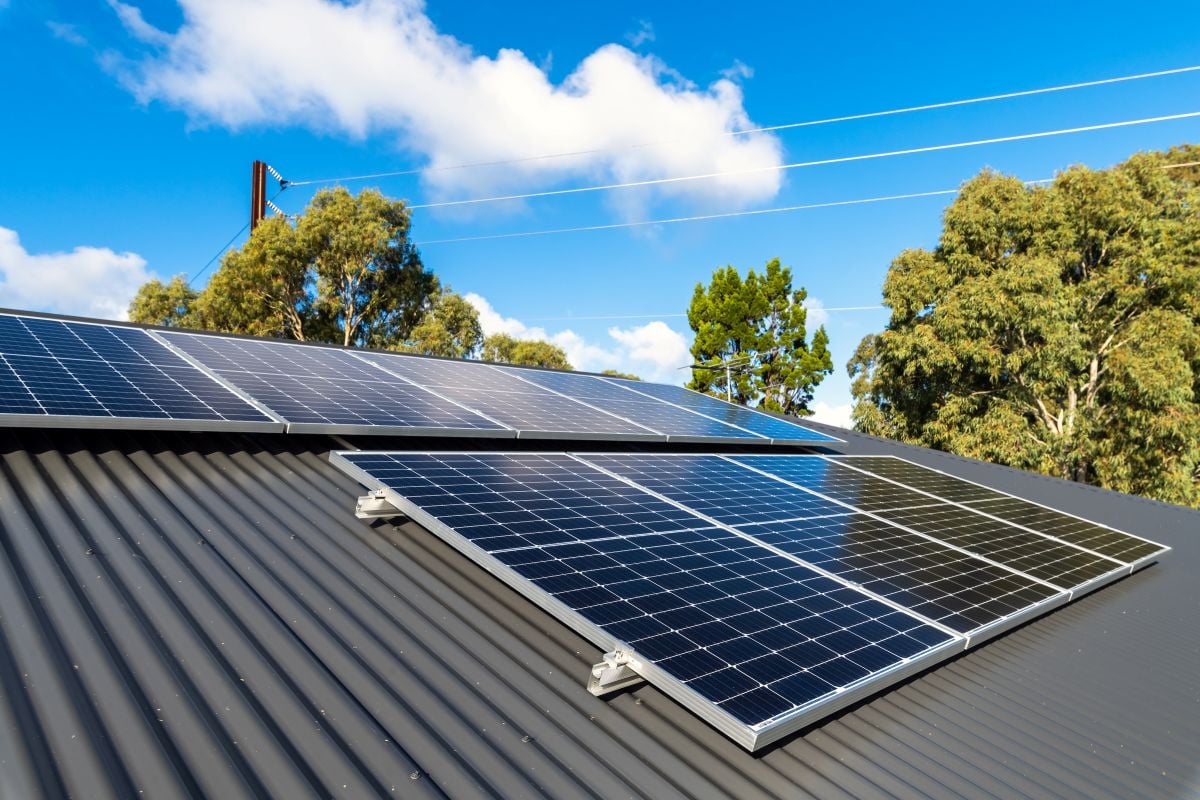
Are Solar Panels Worth It on a Spokane Roof? Costs, Savings & WA Incentives
The honest answer to “are solar panels worth it Spokane roof” installations for most homeowners is yes, but the math has shifted significantly in 2026 with the expiration of the 30% federal residential solar tax credit at the end of 2025. Spokane homeowners can still save thousands of dollars over the life of a solar system thanks to Washington’s sales tax exemption, Avista net metering, rising electricity rates, and a solar-friendly climate, but the payback timeline now stretches longer than it did when federal credits were available.
In this guide, you will learn:
- The real costs and payback period for Spokane solar: Current 2026 pricing, average payback timelines, and lifetime savings.
- Washington state incentives still available in 2026: Sales tax exemptions, net metering, and what changed with federal tax credits.
- Whether your roof is ready for solar: Roof condition factors and the right timing for installation.
Understanding Solar Panels in Spokane

Solar panels work on Spokane roofs better than many homeowners expect, despite the city’s reputation for snowy winters and cloudy days. Understanding the basics of solar performance in our climate helps homeowners evaluate whether an installation makes financial sense for their home.
Does Spokane Get Enough Sun for Solar?
Yes, Spokane gets plenty of sun for solar panels to perform well, with an average of 175 sunny days per year, more than enough for productive year-round generation. While winter days are short and often cloudy, summer days are long and clear, and modern solar panels generate meaningful electricity even on overcast days. The Inland Northwest actually produces solar comparable to many other regions across the country because of the strong summer sun, cool operating temperatures, and clean air quality. Snow on panels reduces winter output, but most snow slides off tilted panels within a day or two of accumulation.
- Annual sunshine: Approximately 175 sunny days per year across the Spokane area.
- Summer peak: Long, clear summer days drive the bulk of annual solar production.
- Cool operation: Cooler temperatures actually improve panel efficiency compared to hot southern climates.
- Snow management: Tilted panels shed snow naturally and recover quickly after winter storms.
Do Solar Panels Work in the Rain?
Yes, solar panels work in the rain, though they produce less electricity than they do on sunny days. This is one of the most common questions Spokane homeowners ask before going solar, and understanding how rain actually affects panel performance helps set realistic expectations for year-round production.
How Much Electricity Do Solar Panels Produce in the Rain?
Solar panels typically produce between 10 and 25 percent of their peak output during rainy or heavily overcast conditions, depending on the density of the cloud cover and the intensity of the storm. Panels respond to the diffuse light that passes through clouds and rain, not just direct sunlight, which means they keep generating electricity even when the sky is fully gray. Spokane’s annual solar production estimates already account for the region’s mix of sunny, cloudy, and rainy days, so a well-sized system delivers the expected savings across a full year despite seasonal weather swings.
- Diffuse light generation: Panels capture indirect sunlight passing through clouds and rain.
- Output range: Expect 10 to 25 percent of peak production during active rain events.
- Annual averages: Production estimates factor in rainy and cloudy days throughout the year.
- No shutdown: Panels do not stop working in the rain, they simply produce less.
Does Rain Damage Solar Panels?
Rain does not damage solar panels and actually benefits them in several ways. Modern solar panels are sealed, weatherproof, and tested to withstand decades of exposure to rain, snow, wind, and hail in climates far harsher than Spokane’s. Rain washes dust, pollen, pine needles, bird droppings, and other debris off the panel surface, helping maintain peak efficiency between professional cleanings. Many solar owners in Spokane never need to manually clean their panels because seasonal rain handles the work naturally throughout the year.
- Weatherproof design: Solar panels are sealed and tested for decades of weather exposure.
- Natural cleaning: Rain rinses dust, pollen, and debris off the panel surface.
- Hail rating: Most modern panels carry ratings for impact from significant hail events.
- Drainage design: Panels are mounted at an angle that allows water to drain off quickly.
How Do Solar Panels Work With Your Roof?
Solar panels work with your roof by mounting on top of your existing roofing material using a racking system that penetrates the roof deck and ties into the structural framing. The panels collect sunlight and convert it to direct current electricity, which an inverter then converts to alternating current for use in your home. Any excess electricity gets sent back to the Avista grid through your meter, earning credits under net metering. The system relies on roof penetrations being properly flashed and sealed, which is why roof condition matters so much when considering solar.
- Roof penetrations: Mounting hardware penetrates the roof deck and must be properly flashed.
- Racking system: Aluminum rails support the panels above the roof surface.
- Inverter: Converts DC electricity from panels to AC electricity for home use.
- Grid connection: Excess production flows back to Avista through your meter under net metering.
5 Factors That Determine If Solar Is Worth It on a Spokane Roof

Whether solar panels are worth it on your specific Spokane roof depends on six key factors that together determine your upfront cost, ongoing savings, and overall return. Each factor weighs into the final calculation differently for every home.
1. System Cost and Upfront Investment
The system cost is the single biggest factor in whether solar makes financial sense for your home. A typical residential solar system in Spokane costs $20,000 to $35,000 before any incentives, depending on system size, panel quality, and installer. The system size you need depends on your electricity usage, with most homes requiring a 6 to 12 kilowatt system to offset the majority of their power bills. Higher-quality panels and inverters cost more upfront but typically deliver better long-term performance and longer warranties.
- Typical system size: Most Spokane homes need a 6 to 12 kilowatt system to offset their bills.
- Cost range: Expect $20,000 to $35,000 before incentives for a quality residential system.
- Premium equipment: Higher-tier panels and microinverters cost more but improve long-term performance.
- Get multiple quotes: Pricing varies significantly between installers, so compare 3 or more bids.
2. Available Incentives in 2026
The available incentives in 2026 are significantly different from previous years because the 30% federal residential solar tax credit expired on December 31, 2025. Washington state’s solar sales tax exemption remains in effect through 2029, saving homeowners 8 to 9 percent on equipment and installation costs in the Spokane area. Avista net metering credits remain available for systems up to 100 kilowatts, providing one of the most valuable ongoing incentives. Leased systems and power purchase agreements (PPAs) can still capture federal credit value through the Section 48E commercial credit, which the installer typically passes through as lower payments.
- WA sales tax exemption: Active through 2029, saves 8 to 9 percent on equipment and installation.
- Avista net metering: Available for systems up to 100 kW, provides ongoing bill credits.
- Federal residential credit: Section 25D ended December 31, 2025 for new homeowner installations.
- Lease and PPA options: Section 48E credit remains available through 2027 for third-party-owned systems.
3. Your Electricity Usage and Bill
Your current electricity usage and bill size directly determine how much you can save with solar. Avista’s residential rate sits at around $0.12 per kilowatt-hour in the Spokane area, which is below the national average. Homes with higher electricity usage save more in absolute dollars from solar, while homes with low usage may struggle to justify the upfront investment. Reviewing your last 12 months of Avista bills to calculate annual kilowatt-hour usage is the first step in sizing a system and estimating savings.
- Avista rate: Approximately $0.12 per kilowatt-hour for typical residential customers.
- Annual usage: Review 12 months of bills to find your true annual kWh consumption.
- Savings scale: Higher-usage homes typically see better solar economics.
- Rate increases: Electricity rates trend upward over time, improving long-term solar value.
4. Roof Condition and Age
Your roof condition and age are critical factors that many homeowners overlook when considering solar. Solar panels typically last 25 to 30 years, so installing them on a roof with only 10 years of life left forces an expensive panel removal and reinstallation when the roof is replaced. If your roof is over 15 years old, it usually makes sense to replace it before installing solar, even if it has remaining life. A roofing contractor can assess the current condition of your roof and help you decide whether replacement should come before solar installation.
- Roof lifespan match: Solar systems last 25-30 years and should match your roof’s remaining lifespan.
- Replacement timing: Roofs over 15 years old often warrant replacement before solar installation.
- Penetration quality: Solar mounting requires expertly flashed roof penetrations to prevent leaks.
- Material compatibility: Asphalt shingle and metal roofs are most common for solar installations.
5. Payback Period and Long-Term Savings
The payback period for solar panels in Spokane currently averages about 14 to 15 years for purchased systems, which is longer than it was when federal tax credits were available. EnergySage data shows Spokane County homeowners who pay upfront break even after an average of 14.3 years on their solar investment. After payback, the system continues producing free electricity for 10 to 15 more years before any major components might need replacement. Total lifetime savings often run $15,000 to $30,000 or more, depending on system size, electricity rate increases, and household usage.
- Average payback: 14 to 15 years for purchased systems in Spokane County.
- Post-payback savings: 10 to 15 years of free electricity after the system pays for itself.
- Lifetime returns: Total savings typically run $15,000 to $30,000 over the system’s life.
- Rising rates: Electricity rate increases improve solar economics over time.
What Washington State Solar Incentives Are Available in 2026?
Washington state’s solar incentives in 2026 remain solid even after the federal residential credit expired, with several state-level programs continuing to support homeowners going solar. Understanding what is and is not available helps you build a realistic financial plan.
What State and Local Incentives Are Still Available?
The state and local incentives still available in 2026 include the Washington solar sales tax exemption, utility net metering, and various financing options. Washington’s sales tax exemption applies to qualifying solar equipment and installation through 2029, saving Spokane-area homeowners between 8 and 9 percent on the total cost depending on local tax rates. Avista net metering continues to provide 1:1 credit for excess solar production. Some financing options also offer competitive rates that make the upfront cost more manageable, even without federal tax credits.
- WA sales tax exemption: 8 to 9 percent savings on solar equipment and installation through 2029.
- Avista net metering: 1:1 credit for excess solar production for systems up to 100 kW.
- Property tax exemption: Solar installations do not increase your property tax assessment in WA.
- Financing options: Solar loans and home equity products available for upfront cost management.
Frequently Asked Questions About Solar Panels on Spokane Roofs

How Much Do Solar Panels Cost in Spokane in 2026?
Solar panels in Spokane typically cost $20,000 to $35,000 in 2026 for a complete residential installation before the Washington sales tax exemption. The exact cost depends on system size, panel and inverter quality, roof complexity, and whether battery storage is included. Most Spokane homeowners get multiple quotes to compare pricing, equipment options, and warranty terms before committing.
How Long Do Solar Panels Last on a Spokane Roof?
Solar panels last 25 to 30 years on a Spokane roof, with most manufacturers offering 25-year performance warranties. Panels typically continue producing electricity at reduced output beyond their warranty period, often delivering 80 percent or more of original capacity at the 25-year mark. Inverters typically need replacement once or twice during the system’s life at a cost of $1,000 to $3,000.
Do Solar Panels Work in Spokane Winters?
Solar panels work in Spokane winters but produce less electricity due to shorter days and cloud cover. Annual production averages account for the seasonal swing, with summer overproduction balancing winter underproduction through Avista’s net metering bank. Snow on panels temporarily reduces output but typically slides off tilted panels within a day or two.
Do I Need to Replace My Roof Before Installing Solar?
You should replace your roof before installing solar if your roof is over 15 years old or shows signs of significant wear, because solar systems are designed to last 25 to 30 years. Installing solar on an aging roof forces expensive panel removal and reinstallation when the roof eventually needs replacement. A roofing contractor can assess your roof’s condition and help you make the right decision for your timeline.
Will Solar Panels Damage My Roof?
Solar panels do not damage roofs when installed properly by qualified contractors who use correct flashing and sealing techniques at every penetration. Poor installations can cause leaks, accelerated wear around mounting points, and structural issues, which is why choosing an experienced solar installer matters as much as choosing quality equipment. Always verify that your installer carries proper licensing, insurance, and warranties on both equipment and workmanship.
Trust Alpine Roofing to Get Your Spokane Roof Solar-Ready
When considering whether solar panels are worth it on your Spokane roof, the condition of the roof itself is one of the most important factors, and getting it right protects both your solar investment and your home for decades. Alpine Roofing helps Spokane homeowners evaluate roof condition before solar installation, complete necessary repairs or full replacements to prepare for solar, and coordinate with trusted solar installers to ensure every roof penetration is properly flashed and sealed.
Whether you are years away from going solar or ready to install this season, starting with a professional roof assessment ensures your system performs as expected and avoids costly removal-and-reinstallation work later. Contact Alpine Roofing today for a free inspection and expert guidance on getting your Spokane roof ready for solar.
Fresh From Our Blog

Happy Roof, Happy Home


