




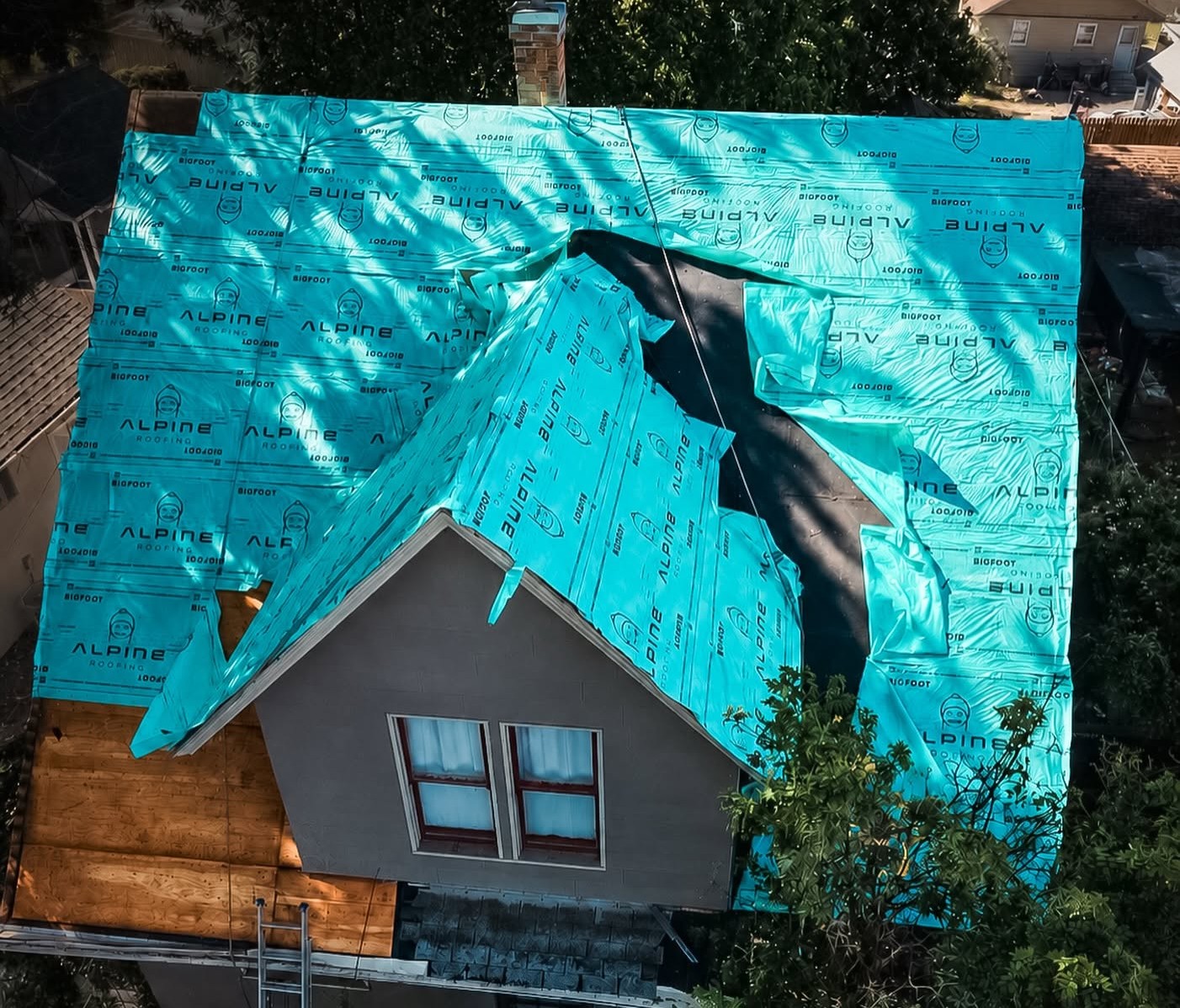
What’s the Best Time of Year to Replace a Roof in Spokane
The best time of year to replace a roof in Spokane is late spring through early fall (typically May through October), when temperatures consistently stay in the 50 to 85 degree range needed for proper shingle installation and the weather is most predictable. That said, every season offers different advantages and drawbacks for Spokane homeowners, and the right choice depends on your situation, urgency, contractor availability, and budget.
In this guide, you will learn:
- Why Spokane’s climate dictates the timing: How weather and temperature affect roof installation quality.
- What each season offers for roof replacement: A clear breakdown of spring, summer, fall, and winter trade-offs.
- How to choose the right time for your home: Practical guidance on scheduling, pricing, and emergency situations.
Understanding Why Timing Matters for Spokane Roof Replacement
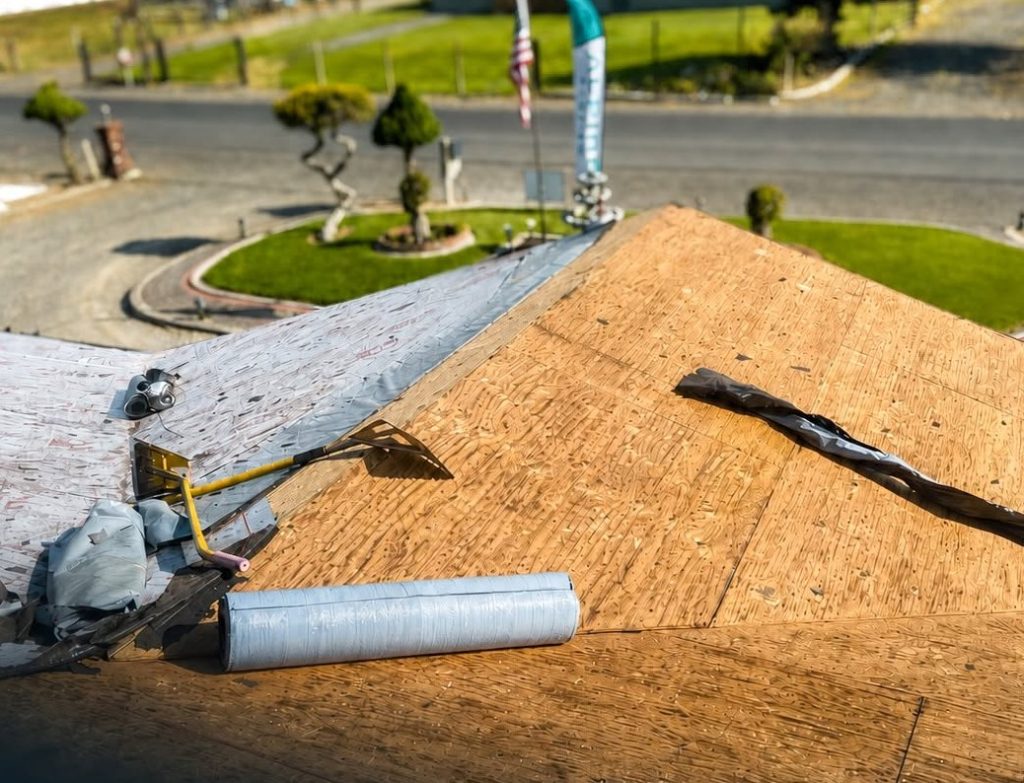
The timing of a Spokane roof replacement directly affects installation quality, total project cost, scheduling flexibility, and the long-term performance of your new roof. Spokane’s climate sets clear boundaries on when roofs can be installed at peak quality, which is why timing matters more here than in milder regions.
What Temperature Range Do Roofers Need for Installation?
Roofers need consistent daytime temperatures of at least 40 degrees Fahrenheit for proper asphalt shingle installation, with the ideal range falling between 50 and 85 degrees. Below 40 degrees, asphalt shingles become brittle and prone to cracking during handling, and the thermal seal strips that bond shingles together fail to activate without sun and warmth. Above 90 degrees, shingles become overly soft, granules can scuff off during installation, and crews work less efficiently due to heat exposure. Different roofing materials have different temperature requirements, but the 50 to 85 degree window applies broadly to asphalt shingle work.
- Minimum temperature: 40 degrees Fahrenheit for asphalt shingle installation.
- Ideal range: 50 to 85 degrees produces the best installation results.
- Below 40 degrees: Shingles crack, sealants fail, and crews face safety challenges.
- Above 90 degrees: Shingles become soft, granules scuff off, and labor productivity drops.
How Does Spokane’s Climate Affect Roof Replacement Scheduling?
Spokane’s climate creates a relatively narrow ideal installation window because the city experiences long, cold winters and hot, dry summers with significant temperature swings. According to NOAA National Weather Service climate data for Spokane, the city averages 132 frosty nights per year and 34 days when temperatures never rise above freezing, primarily concentrated from October through April. Summer brings hot weather from May through September, with about 21 days each year reaching 90 degrees or higher. This climate pattern means roof installation in Spokane is best scheduled between late spring and early fall, when overnight temperatures stay above freezing and daytime temperatures avoid extreme heat.
- Frost season: 132 frosty nights per year, mostly September through May.
- Hard freeze days: 34 days annually when temperatures stay below freezing.
- Summer heat: 21 days per year reach 90 degrees, mostly June through August.
- Ideal window: Late April through October offers the most consistent installation weather.
4 Seasons for Roof Replacement in Spokane
Each of the four seasons in Spokane offers distinct advantages and drawbacks for roof replacement. Understanding the trade-offs of each season helps homeowners choose the right time for their specific situation.
1. Spring Roof Replacement (March to May)
Spring is the second-best season for roof replacement in Spokane, becoming truly favorable from mid-April onward when daytime temperatures consistently exceed 50 degrees and overnight lows stay above freezing. Early spring (March and early April) can still bring snow and freezing nights, which makes scheduling tricky and may extend project timelines. However, late spring is one of the best windows for replacement because crew availability is good, weather is generally cooperative, and homeowners can address winter damage before it leads to leaks during heavy spring rains.
- Best window: Mid-April through late May offers strong conditions for installation.
- Crew availability: Spring is moderately busy but not yet peak season, so scheduling is easier than summer.
- Weather risk: Early spring still brings late snowstorms and freezing nights in Spokane.
- Damage repair: Spring is ideal for addressing damage discovered after winter weather.
2. Summer Roof Replacement (June to August)
Summer is the peak season for roof replacement in Spokane and offers the most consistent weather, but it also brings the longest scheduling waits and highest demand for contractor services. June, July, and August deliver dry weather, long daylight hours, and temperatures that are typically warm but not always extreme. The downside is that quality contractors often book out 4 to 8 weeks during summer, prices can run slightly higher due to demand, and extreme heat waves above 90 degrees can pause work for safety and material reasons. Homeowners planning summer replacements should schedule early.
- Peak season: Most consistent weather and longest daylight hours of any season.
- Long lead times: Reputable contractors often book 4 to 8 weeks out during summer.
- Heat pauses: Extreme heat days above 90 degrees can pause work temporarily.
- Early scheduling: Book in late winter or early spring to lock in summer dates.
3. Fall Roof Replacement (September to November)
Fall is widely considered the absolute best time of year to replace a roof in Spokane, especially September and early October, when weather is mild, predictable, and ideal for shingle installation. Daytime temperatures typically stay between 60 and 80 degrees, overnight lows remain above freezing, and the dry summer pattern continues into early fall. Crew availability often improves slightly as the summer rush winds down, though demand stays strong as homeowners rush to complete work before winter. By late October and November, weather becomes less reliable and homeowners should aim to wrap up installations before mid-November.
- Optimal window: September and early October offer the best combination of weather and availability.
- Pre-winter timing: Completing replacement in fall protects against winter weather damage.
- Cooler temperatures: Mild weather is easier on crews and ideal for shingle sealing.
- November risk: Late fall brings unpredictable weather including early snowstorms.
4. Winter Roof Replacement (December to February)
Winter roof replacement in Spokane is possible but challenging, and it is typically reserved for emergencies, active leaks, or storm damage that cannot wait until spring. Cold temperatures, snow, ice, and shorter daylight hours all complicate the work and require manufacturer-approved cold-weather installation protocols. The advantages include faster scheduling, often within days or a week rather than weeks, and some contractors offer off-season pricing during slower months. Homeowners should only work with contractors experienced in cold-weather installations and willing to follow manufacturer specifications precisely.
- Emergency timing: Winter installations typically address active leaks or storm damage.
- Cold-weather protocols: Crews must follow manufacturer specifications for low-temperature work.
- Faster scheduling: Winter is the slowest season, often with same-week availability.
- Off-season pricing: Some contractors offer winter discounts during slower months.

When Should You Schedule Your Spokane Roof Replacement?
The right time to schedule your specific roof replacement depends on roof condition, weather forecasts, contractor availability, and your own timeline preferences. A thoughtful scheduling decision protects both the quality of the work and your budget.
When Is the Absolute Best Time to Replace a Roof in Spokane?
The absolute best time to replace a roof in Spokane is from mid-September through mid-October, when weather is the most stable and predictable of the entire year. Daytime temperatures during this window typically stay between 60 and 75 degrees, overnight lows remain above freezing, and the region experiences less precipitation than spring or early summer. This timing also positions the new roof to face its first winter freshly installed and fully sealed, with the thermal seal strips bonded under late-summer and early-fall sun. Homeowners who can plan ahead should target this six-week window for the optimal balance of conditions.
- Ideal weeks: Mid-September through mid-October is the single best six-week window.
- Stable weather: Late summer and early fall produce the most predictable installation conditions.
- Full seal time: Sun-warmed shingles bond completely before winter arrives.
- Plan ahead: Schedule 4 to 8 weeks in advance to secure this preferred window.
What If You Need an Emergency Roof Replacement?
If you need an emergency roof replacement in Spokane outside the ideal window, an experienced contractor can perform the work in nearly any season with the right protocols and materials. Active leaks, severe storm damage, structural failures, and roofs that have reached complete end-of-life cannot wait for ideal weather. The key is choosing a contractor with year-round experience, proper cold-weather or hot-weather installation knowledge, and a track record of installations completed in challenging conditions. Insurance claims following storms often drive winter or early-spring installations, and reputable Spokane contractors handle these every year.
- Don’t delay leaks: Active leaks cause more damage with each storm and warrant immediate response.
- Year-round contractors: Look for installers who work through Spokane winters every year.
- Cold-weather protocols: Confirm the contractor follows manufacturer specifications for cold installs.
- Insurance timing: Storm-driven replacements often happen outside the ideal window by necessity.
Frequently Asked Questions About Roof Replacement Timing in Spokane
Can You Replace a Roof in the Winter in Spokane?
Yes, you can replace a roof in winter in Spokane, but the work requires manufacturer-approved cold-weather installation protocols and an experienced contractor. Crews must hand-seal shingles that cannot activate their thermal seal strips in cold weather, store materials in heated locations, and work around snow and ice. Winter installations typically take longer than summer ones but can be done successfully with the right team.
How Long Does a Roof Replacement Take in Spokane?
A roof replacement in Spokane typically takes one to three days for an average asphalt shingle home in good weather. Metal and premium materials extend the timeline to three to seven days. Winter installations often add a day or two due to shorter daylight hours and cold-weather protocols, while complex roofs with multiple levels or premium materials can take a full week or longer.
Is It Cheaper to Replace a Roof in the Off-Season?
It can be cheaper to replace a roof during the off-season in Spokane, particularly during late fall and winter when contractor demand drops significantly. Some contractors offer 5 to 15 percent discounts on off-season work, and lead times shrink from weeks to days. However, cold-weather installations require additional materials and labor steps that can offset some of the savings, so verify the total cost rather than assuming winter is always cheaper.
How Far in Advance Should I Schedule a Spokane Roof Replacement?
You should schedule a Spokane roof replacement 4 to 8 weeks in advance during the peak season (May through October), and 2 to 4 weeks in advance during the off-season. Booking during winter for a spring replacement is one of the best strategies for securing your preferred contractor and dates. Emergency replacements can often happen within days when active damage requires immediate attention.
Does Weather Affect the Warranty on a New Roof?
Yes, weather affects the warranty on a new roof because manufacturer warranties typically require installation within specific temperature ranges and following exact procedures. Cold-weather installations that skip hand-sealing, hot-weather installations on overly soft shingles, or work on a wet or frosty deck can all void manufacturer warranties. Choose a contractor who documents installation conditions and follows manufacturer protocols on every job.
Trust Alpine Roofing for Year-Round Spokane Roof Replacement
When it comes to deciding the best time of year to replace a roof in Spokane, the right answer always combines local climate knowledge with your specific situation, urgency, and budget. Alpine Roofing has years of experience installing roofs across every season in the Inland Northwest, with the manufacturer certifications and cold-weather protocols needed to deliver quality results regardless of the calendar. Whether you are planning ahead for an ideal fall replacement or facing an urgent winter situation that cannot wait, our team will help you choose the right timing and execute the work properly. Contact Alpine Roofing today for a free estimate and expert guidance on scheduling your Spokane roof replacement.
Fresh From Our Blog

Happy Roof, Happy Home


