




How to Find a Roof Leak: Step-by-Step Detection Guide for Homeowners
Knowing how to find a roof leak before it causes major water damage can save homeowners thousands of dollars in repairs, mold remediation, and structural restoration. Most leaks start small and stay hidden for weeks or months, working their way through underlayment, decking, insulation, and drywall before any visible sign appears on a ceiling.
In this guide, you will learn:
- The warning signs of a hidden roof leak: Subtle clues inside and outside your home that point to water intrusion before major damage shows.
- A step-by-step process to locate the source: Practical detection methods you can use safely from the ground, attic, and interior of your home.
- When to call a professional roofer: Signs that the leak is beyond DIY detection and needs an experienced contractor.
Why Early Roof Leak Detection Matters
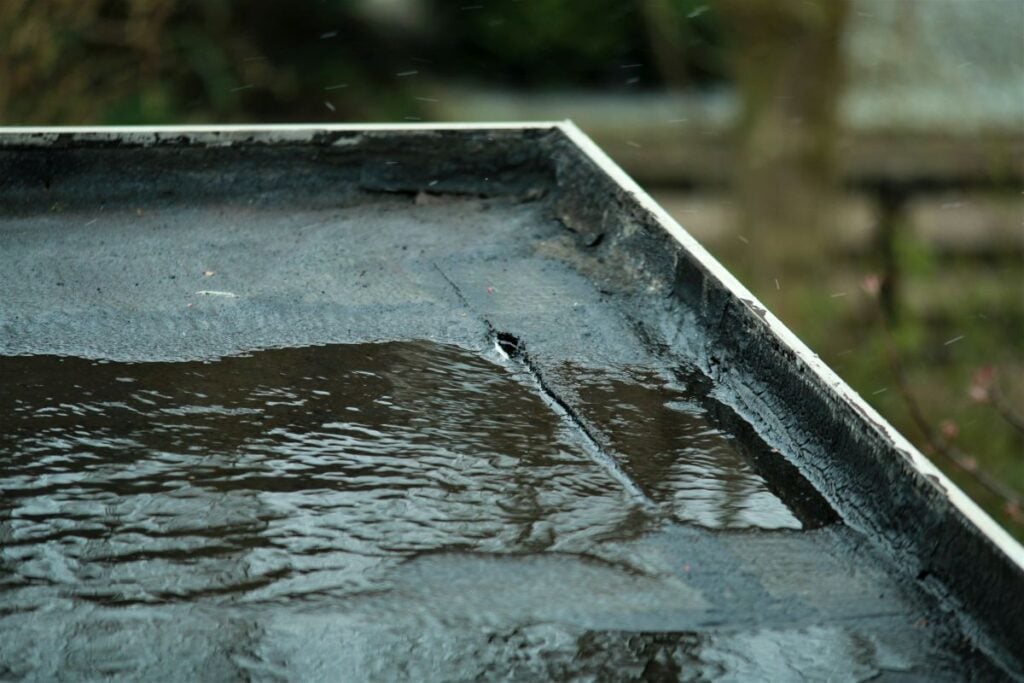
Catching a roof leak early protects your home, your wallet, and your family’s health. The longer water sits in your attic, walls, or insulation, the more damage it causes and the more expensive the repair becomes.
The Hidden Costs of Undetected Leaks
A small roof leak rarely stays small for long. Water travels along rafters, soaks insulation, rots decking, and feeds mold growth long before a stain appears on your ceiling. According to the Insurance Information Institute, water damage and freezing accounts for nearly 24 percent of all homeowners insurance claims, making it one of the most common and costly issues homeowners face. Detecting a leak in its earliest stage is the single most effective way to prevent the kind of widespread damage that leads to insurance claims, displaced families, and major repair bills. (Source: Insurance Information Institute)
- Structural damage: Prolonged moisture rots roof decking, rafters, and framing, leading to expensive structural repairs.
- Mold growth: Damp insulation and drywall create ideal conditions for mold within 24 to 48 hours of water exposure.
- Insulation failure: Wet insulation loses its R-value, driving up heating and cooling costs throughout the year.
- Interior finish damage: Stained ceilings, peeling paint, and warped flooring all add up quickly when leaks go unchecked.
Common Causes of Roof Leaks
Understanding what typically causes a roof leak helps you know where to look and what to inspect first. Most residential roof leaks trace back to a handful of common failure points, and recognizing the usual suspects lets you focus your detection efforts efficiently. Age, weather damage, poor installation, and lack of maintenance are the four root causes behind nearly every leak, and each one shows up in predictable places on the roof.
- Damaged or missing shingles: Wind, hail, and age can lift, crack, or remove shingles, exposing the underlayment to water.
- Failed flashing: Cracked or improperly sealed flashing around chimneys, vents, and skylights is the most common leak source.
- Clogged gutters: Debris-filled gutters force water back under shingles along the eaves and into the roof system.
- Ice dams: Freezing temperatures cause melted snow to refreeze at the eaves, pushing water under shingles.
- Worn pipe boots: The rubber seals around plumbing vent pipes crack and degrade over time, creating an easy water entry point.
The 8 Steps to Find a Roof Leak
When you suspect a leak, follow this sequence to locate the source quickly and safely. Each step builds on the last and helps narrow down the problem before any repair work begins.
- Identify interior signs: Look for water stains, discoloration, peeling paint, or sagging drywall on ceilings and upper walls.
- Inspect your attic during daylight: With the lights off, look for pinpoints of daylight coming through the roof deck, plus water stains, mold, or wet insulation.
- Check the attic during or right after rain: Active dripping or wet trails on rafters reveal the leak path far more clearly when water is moving.
- Trace the water back to its source: Water travels along rafters and decking before dripping down, so the entry point is often higher up the slope than the visible damage.
- Inspect the roof from the ground: Use binoculars to scan for missing shingles, damaged flashing, debris piles, and granule loss in gutters.
- Check common failure points: Examine flashing around chimneys, vents, skylights, and dormers, where the vast majority of leaks originate.
- Run a hose test: With a helper inside the attic, slowly run water on different roof sections to pinpoint the exact entry point.
- Document everything: Take dated photos of stains, damage, and suspected leak sources for insurance claims and contractor estimates.
How to Inspect Different Areas of Your Home
A thorough leak hunt covers three key zones: the interior of your home, the attic, and the exterior of the roof. Each area reveals different clues, and a complete inspection often requires looking in all three.
Inspecting the Interior of Your Home
Start your search inside, where most homeowners first notice signs of a leak. Walk through every room and check ceilings, walls, light fixtures, and any spot where water might collect or stain. Pay close attention to rooms directly below the roof, as well as bathrooms, laundry rooms, and closets where moisture issues often show up first. Bring a flashlight and look closely at corners, ceiling-to-wall joints, and around any ceiling penetrations like fans or fixtures.
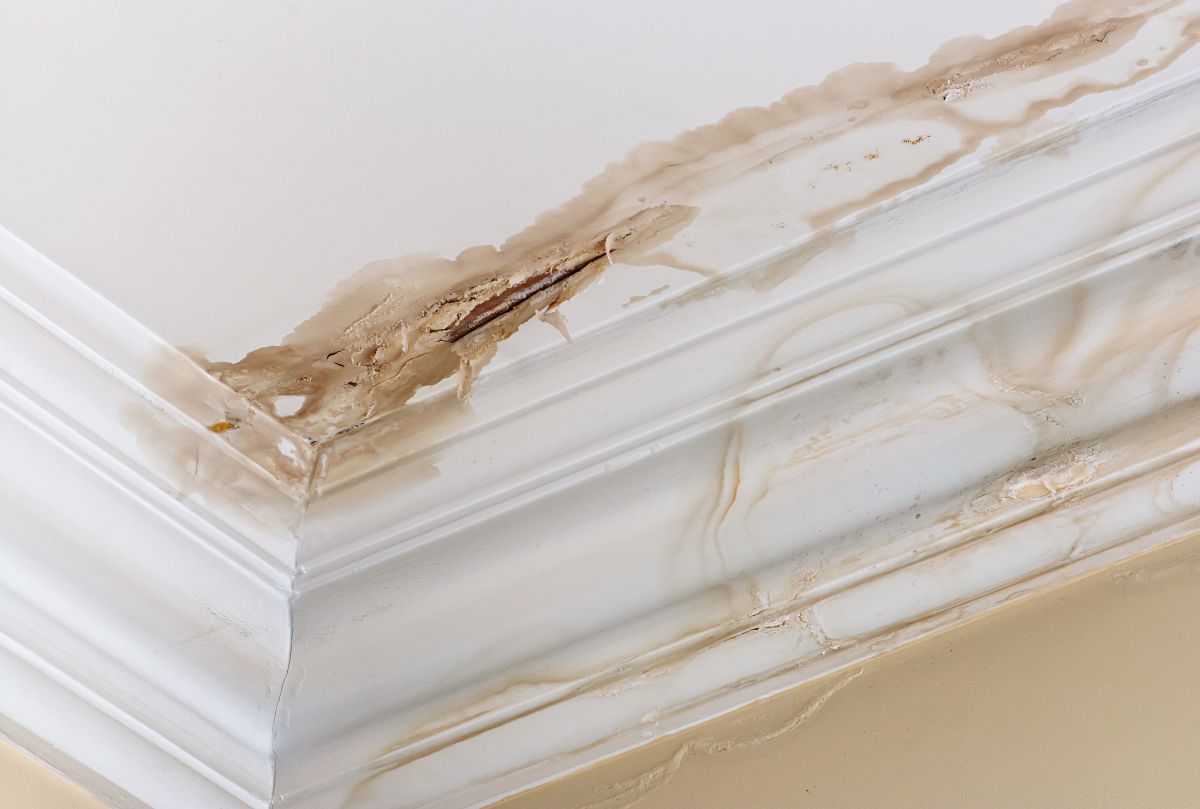
- Ceiling stains: Yellow, brown, or rust-colored rings indicate water has soaked through drywall from above.
- Bubbling paint: Water trapped behind paint causes it to bubble, peel, or flake away from the surface.
- Musty odors: A persistent damp smell often signals hidden moisture or mold even when no visible stain is present.
- Sagging drywall: Bulging or soft spots in ceilings mean significant water has accumulated and the drywall is failing.
Inspecting Your Attic for Leak Sources
Your attic is the single most valuable space for tracking down a roof leak. Because the underside of the roof deck is exposed, you can often see the exact entry point and trace the water path back to its source. Visit the attic during the day with the lights off first to look for daylight, then return during or right after a rain event to see active water movement. Wear a dust mask, use a strong flashlight, and step only on the rafters and joists.
- Daylight intrusion: Visible pinpoints of light through the roof deck mark obvious holes or gaps.
- Water stains on rafters: Dark trails or rings on wood show where water has flowed during past leak events.
- Wet or compressed insulation: Damp, matted insulation pinpoints areas where water has been collecting over time.
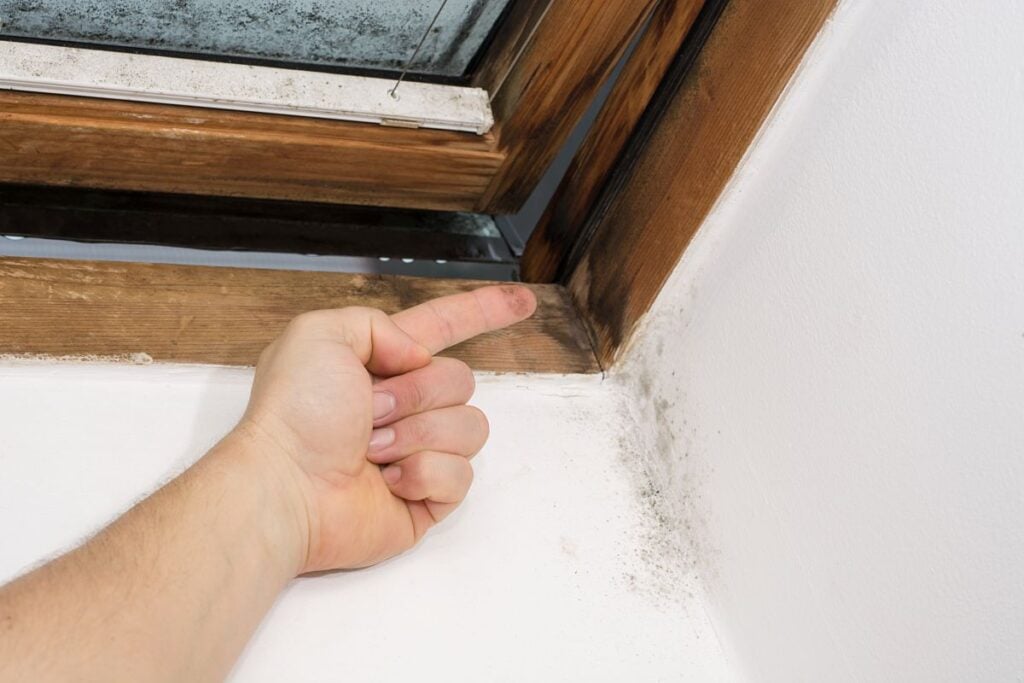
- Mold or mildew: Black, green, or white growth on wood or insulation indicates ongoing moisture problems requiring immediate attention.
Inspecting the Exterior of Your Roof
The outside inspection should always be done from the ground first, using binoculars to scan for visible damage. Walking on a roof carries serious injury risk and can cause additional damage, so leave the on-roof inspection to a professional unless you have proper safety equipment and experience. From the ground, you can spot most major issues that lead to leaks, including missing shingles, damaged flashing, and debris that traps moisture against the roof surface.
- Missing or damaged shingles: Curling, cracked, or absent shingles expose the underlayment and roof deck to water.
- Compromised flashing: Look for rusted, lifted, or visibly cracked flashing around chimneys, vents, and skylights.
- Debris and moss: Branches, leaves, and moss trap moisture against the roof surface and accelerate material breakdown.
- Sagging rooflines: Visible dips or waves in the roof surface signal serious structural issues hiding underneath.
When to Call a Professional Roofer
Some leaks are simple to find and easy to repair, while others require experienced eyes and specialized tools. Knowing when to escalate saves time, prevents further damage, and keeps you safe.
Signs the Leak Is Beyond DIY Detection
Most homeowners can identify obvious leaks, but hidden or complex leaks often defy basic inspection methods. If you have searched thoroughly and still cannot locate the source, or if the damage involves multiple rooms or stories, it is time to bring in a professional. Roofers have the training, tools, and safety equipment to inspect every part of the roof system, including areas that are dangerous or impossible for homeowners to reach.
- Multiple leak points: Water appearing in several locations suggests a larger system failure, not just a single repair.
- Persistent leaks after repair: A leak that returns after DIY fixes points to a hidden source that needs professional diagnosis.
- Steep or high roofs: Two-story homes and steep pitches require professional safety equipment and expertise.
- Suspected structural damage: Sagging, soft spots, or visible rot calls for an immediate professional inspection.
What a Professional Inspection Includes
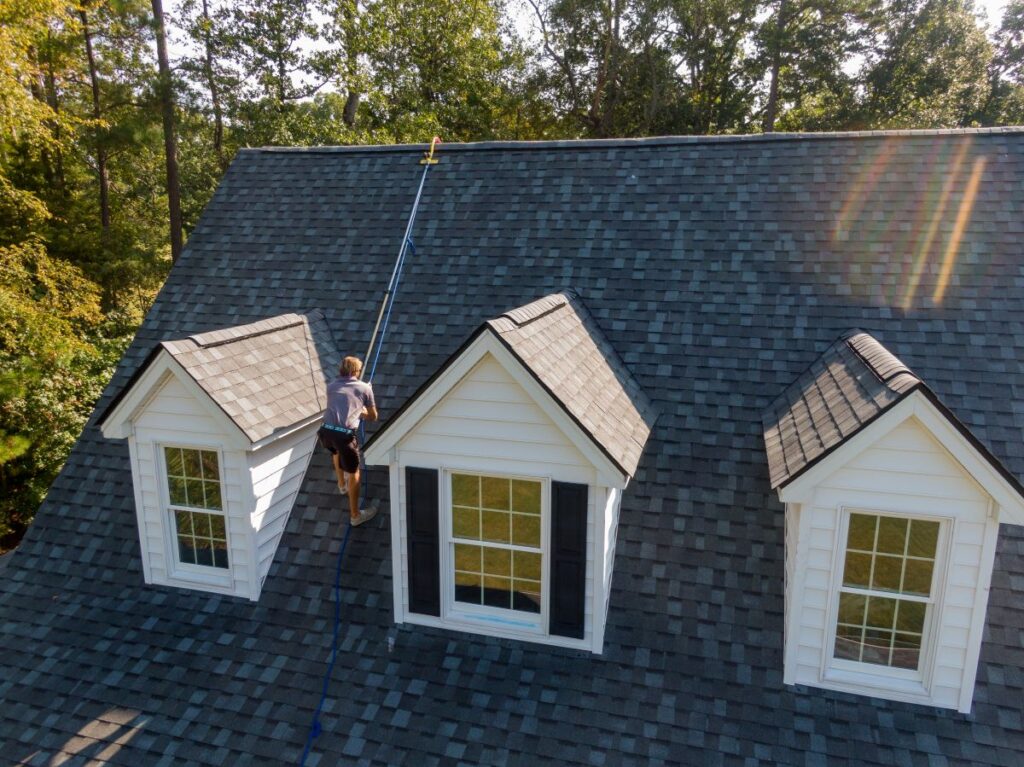
A licensed roofing contractor brings tools and experience that go far beyond what a homeowner can accomplish. Professional inspections often involve infrared moisture detection, drone imagery, and detailed flashing assessments that reveal problems hidden from view. The contractor also produces a written report you can use for insurance claims, repair planning, and long-term maintenance scheduling, which makes the inspection investment pay for itself in most cases.
- Full roof walk: Detailed on-roof inspection of shingles, flashing, vents, valleys, and penetrations.
- Attic moisture assessment: Evaluation of insulation, decking, and ventilation for signs of past or ongoing leaks.
- Written report: Documentation of findings, photos, and recommended repairs for your records and insurance use.
- Repair estimate: Itemized cost breakdown for any needed repairs, with options for materials and timeline.
Trust Alpine Roofing to Find and Fix Your Roof Leak
When a leak appears, the difference between a quick fix and a full ceiling replacement often comes down to how fast you act and who you call. Alpine Roofing has years of experience tracking down hidden leaks, diagnosing the true source, and delivering repairs that hold up for the long haul. Our team uses proven detection methods, modern tools, and detailed inspections to find leaks other contractors miss, then we fix the problem right the first time so you do not see it again. If you suspect a roof leak, contact Alpine Roofing today for a free inspection and expert guidance on protecting your home from water damage.
If the leak is on a Spokane-area home and you would rather have it traced professionally, Alpine Roofing offers free inspections and written estimates for roof repair in Spokane, WA.

Happy Roof, Happy Home


