


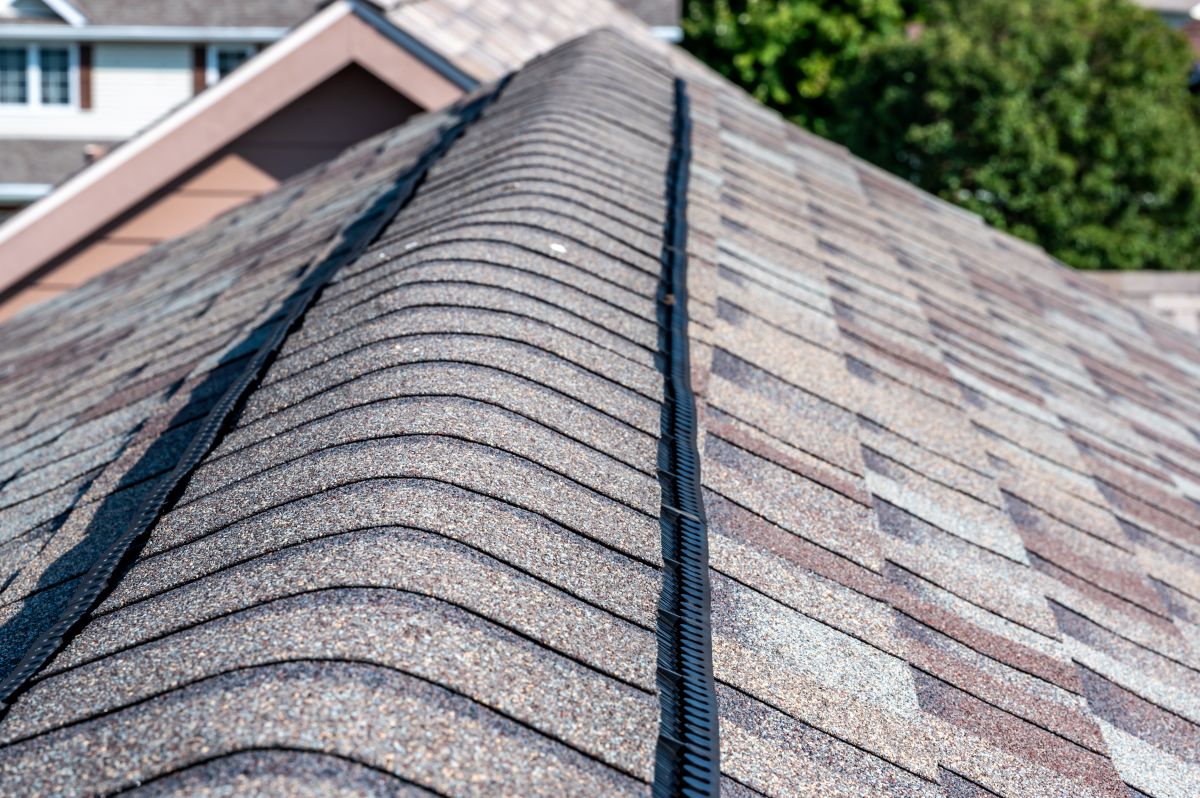
Ridge Cap Shingles Explained: Types, Installation & Why They Matter
Ridge cap shingles are the specially designed shingles that wrap over the peak of your roof, sealing the ridge line against water, wind, and pests while giving your roof a clean, finished appearance. Using the right ridge cap shingles can enhance both the performance and appearance of your roof. Most homeowners never think about them until they fail, but the ridge cap is one of the most important components of any shingled roof system, and the wrong type or a poor installation can lead to leaks, ventilation problems, and a voided warranty.
It’s important to buy ridge cap shingles specifically designed for the ridge and hips of your roof, as these dedicated products offer a better fit, improved appearance, and easier installation compared to using standard architectural or 3-tab shingles.
In this guide, you will learn:
- What ridge cap shingles do for your roof: The functional and aesthetic roles these specialty shingles play in your roofing system.
- The main types available: A clear breakdown of the most common ridge cap options and how to choose the right one.
- Installation best practices and why they matter: How proper ridge cap installation protects your home for decades.
What Are Ridge Cap Shingles?

Ridge cap shingles are a specialized type of shingle designed to bend cleanly over the ridges and hips of a sloped roof, providing a finished look and essential protection at these critical joints. Used as both hip and ridge shingles, they ensure a cohesive appearance and shield the most exposed and vulnerable areas of your roofing system. Ridge cap shingles can be made from various materials, including SBS-modified asphalt, which enhances flexibility and impact resistance. By capping the hip and ridge lines, these ridge shingles add dimension and visual depth to your roof’s overall appearance.
How Ridge Cap Shingles Differ From Regular Shingles
Standard field shingles are flat and rectangular, designed to lay flush against the roof deck in overlapping rows. Ridge cap shingles, by contrast, are thicker, more flexible, and pre-formed or scored to wrap over the angle where two roof planes meet at the peak. This specialized shape allows them to seal the ridge tightly without cracking, something a standard shingle cannot do reliably. Manufactured ridge caps also feature stronger adhesives, better wind resistance, and color matching designed to complement the field shingles below. Some ridge cap shingles are specifically designed to match architectural shingles, and they share features such as thickness, appearance, and installation benefits to ensure a cohesive look and compatibility across the roof.
- Designed shape: Pre-bent or scored to wrap over the ridge without cracking during installation.
- Thicker construction: Heavier and more durable than standard shingles to withstand exposure at the roof peak.
- High profile options: High profile ridge cap shingles, such as IKO UltraHP®, are thicker, prefolded, and provide a more impressive, high profile look with oversized exposure for enhanced aesthetics and robustness.
- Double-layer design: TimberTex® Premium Ridge Cap Shingles are double-layer 12″ (305 mm) width shingles that add depth and dimension to the roof.
- Specialized adhesive: Reinforced sealant strips help resist wind uplift in the most exposed location on the roof.
- Color matching: Engineered to coordinate with field shingles for a clean, uniform appearance.
Why the Ridge Line Needs Specialized Protection
The ridge is the most exposed part of any sloped roof, taking the brunt of wind, rain, snow, and sun every day of the year. Without proper protection, the ridge becomes a major entry point for water, insects, and small animals, all of which can cause serious damage to your attic and home interior. Ridge cap shingles are installed over multiple layers at the ridge, overlapping the field shingles, which requires special attention to nail length and adhesion. They seal this vulnerable seam while still allowing for proper attic ventilation when paired with a ridge vent. This dual role of protection and ventilation is what makes ridge caps such a critical component of a healthy roof system.
- Wind exposure: The ridge sits at the highest point of the roof and faces the strongest wind uplift forces.
- Water seal: A properly installed ridge cap blocks rain and snow from entering the seam between roof planes.
- Pest prevention: Sealed ridges keep insects, rodents, and birds out of your attic space.
- Ventilation integration: Ridge caps work together with ridge vents to maintain proper attic airflow.
- Enhanced adhesion: Many ridge cap shingles feature enhanced adhesive strips or specialized tar seals on the underside to lock them tightly in place and prevent wind uplift.
- Proper fastening: Longer nails (at least 2 inches) are needed to penetrate the additional roof layers and anchor the ridge cap shingles firmly into the roof deck.
5 Things to Know About Ridge Cap Shingles

Before your next roof project, understanding these five key points about ridge cap shingles will help you find the right ridge cap shingles for your specific market or region. Each one affects long-term performance, warranty coverage, and the overall appearance of your finished roof. Keep in mind that different markets may have unique preferences for ridge cap shingle styles and colors.
1. There Are Several Types of Ridge Cap Shingles
Not all ridge caps are created equal, and the type you choose should match your field shingles and your performance goals. The most common options include manufactured asphalt ridge caps, hip and ridge shingles, hip ridge shingles, hand-cut three-tab strip shingles, and specialty caps designed for premium materials like metal, tile, or synthetic slate. Manufactured ridge caps are the modern standard for asphalt shingle roofs, offering better wind resistance, color matching, and warranty support than older hand-cut alternatives. Hip and ridge cap shingles are specially designed for use on the hips and ridges of the roof, providing a high-quality finish and enhanced dimension to the roof’s appearance. Specialty roofs almost always require a matching specialty ridge cap to maintain manufacturer warranties.
- Manufactured asphalt caps: Pre-formed ridge caps from manufacturers like GAF, CertainTeed, Owens Corning, and Malarkey.
- Hip and ridge/hip ridge shingles: Specialized shingles designed for hips and ridges, often available in color-matching options and compatible with architectural or laminated shingles to enhance both performance and visual appeal.
- IKO Hip & Ridge 12: Manufactured in innovative mid-tone color blends, allowing for matching to a wider range of shingle styles and colors.
- Hand-cut three-tab caps: Standard three-tab shingles cut into individual pieces, an older and less durable approach.
- Designer ridge caps: Premium options designed to complement architectural and luxury shingle lines.
- Specialty material caps: Purpose-built ridge caps for metal, tile, slate, and synthetic shake roofs.
- Available sizes: Ridge cap shingles are commonly available in widths of 10 inches (254 mm) and 12 inches (305 mm), with different sizes manufactured to accommodate various local market preferences and roofing styles.
- Oversized exposures: Some ridge cap shingles feature oversized exposures, such as 8.5 inches, to create a more pronounced and high-profile appearance, adding extra dimension to the roof.
2. Ridge Caps Work Together With Ridge Vents
In most modern installations, ridge cap shingles cover and protect a continuous ridge vent that runs along the peak of the roof. This combination provides exhaust ventilation for the attic while keeping rain, snow, and pests out of the home. Without a ridge vent, attic heat and moisture build up, leading to ice dams, mold, and shortened roof lifespan.
- Continuous airflow: Ridge vents allow hot, humid attic air to escape through the highest point of the roof.
- Balanced ventilation: Soffit or eave intake vents work with ridge exhaust to create proper attic airflow.
- Ice dam prevention: Proper ventilation keeps the roof deck cooler in winter, reducing the conditions that create ice dams.
- Energy efficiency: Reduced attic heat lowers cooling costs in summer and protects insulation performance year-round.
3. Installation Quality Determines Long-Term Performance
Even the best ridge cap shingles will fail if they are installed incorrectly. Proper installation involves careful nailing in the right locations, correct overlap of each cap, sealing of the final cap at the ridge end, and integration with the underlying ridge vent if present. Common installation mistakes include nails driven too high or too low, insufficient overlap, missed sealant applications, and using staples instead of approved roofing nails. A professional roofing contractor with manufacturer training knows the precise specifications for each product and follows them on every install.
- Correct nailing: Nails must be placed in specific locations on each cap to engage the sealant strip below.
- Proper overlap: Each cap should overlap the previous one by the manufacturer-specified amount, typically 5-6 inches.
- End-of-ridge sealing: The final ridge cap requires hand-sealing with roofing cement to prevent water entry.
- Manufacturer specifications: Following exact product instructions is required for warranty coverage to remain valid.
4. Ridge Cap Failure Often Causes Roof Leaks
When a roof leak appears near the peak of the roof, the ridge cap is one of the first things a professional inspector checks. High wind, age, poor installation, and impact damage can all loosen, crack, or remove ridge caps over time, exposing the seam beneath. Using dedicated ridge cap shingles can save time and labor costs during installation, improve efficiency, and help prevent leaks by ensuring better adhesion and a finished appearance. For a more robust look, ridge cap shingles can be installed doubled up, with the top shingle positioned about three-quarters of an inch higher than the bottom one, enhancing the overall roof aesthetics. Once water enters at the ridge, it travels down the roof deck and often emerges as ceiling stains in unexpected locations, making the leak source difficult to identify without an experienced eye. Regular inspections catch ridge cap problems before they cause significant interior damage.
- Wind damage: High winds can lift, crack, or completely tear off exposed ridge cap shingles.
- Age-related failure: Older ridge caps lose adhesive strength and granules, becoming vulnerable to leaks.
- Impact cracking: Hail and falling debris can crack ridge caps even when field shingles appear undamaged.
- Improper installation: Caps installed incorrectly may fail within a few years rather than lasting the life of the roof.
5. Matching Ridge Caps to Your Roof Protects Your Warranty
Most modern shingle warranties require the use of matching manufacturer ridge caps for the warranty to remain valid. Mixing brands or using cut-up field shingles as ridge caps can void coverage and leave you on the hook for any future repairs. Reputable contractors always use the manufacturer-approved ridge cap that pairs with the field shingles being installed, and they document the materials used as part of the warranty registration. Selecting the right color ridge cap shingle can enhance the finished appearance of your roof, putting the ideal finishing touch on a properly installed roof. Usually, hip and ridge shingles match the color blend used in the field of the roof, but in some markets, a contrasting color is chosen to accentuate and enhance the roof outline. This small detail makes a significant difference in long-term financial protection for your investment.
- Warranty compliance: Manufacturer-matched ridge caps are required for full warranty coverage on most premium shingles.
- System certification: Many warranties require multiple matching components from the same manufacturer.
- Documentation: Reputable contractors record the exact products used and submit warranty registration on your behalf.
- Resale value: A documented, warranty-backed roof system adds measurable value at the time of sale.
How to Tell If Your Ridge Cap Shingles Need Attention

Even high-quality ridge caps eventually need inspection or replacement, especially after major weather events. Knowing what to look for helps you catch problems early and avoid larger repair bills. If you notice any issues, find a qualified contractor to inspect or repair your ridge cap shingles.
Visible Signs of Ridge Cap Damage
You can often spot ridge cap problems from the ground using binoculars, which is the safest way for homeowners to inspect their own roof. Look along the entire length of the ridge for caps that are missing, lifted, cracked, or noticeably faded compared to the surrounding shingles. Any visible damage at the ridge warrants a professional inspection because the ridge is too critical to leave compromised. Even one missing or lifted cap can allow significant water intrusion during the next storm.
- Missing pieces: Gaps along the ridge line where caps have blown off entirely indicate immediate need for repair.
- Lifted edges: Caps that appear to be standing up or curling at the corners signal failing adhesive.
- Visible cracking: Cracks running across or along the cap allow water to enter the seam below.
- Excessive granule loss: Shiny, exposed asphalt on caps means the protective granule layer has worn away.
Interior Warning Signs
Sometimes the first sign of ridge cap failure shows up inside your home rather than on the roof itself. Water that enters at the ridge often travels along rafters and deck before dripping into the attic or staining ceilings, which is why an attic inspection during or after a storm is so valuable. Catching these signs early can mean a simple ridge cap repair instead of a major water damage restoration project.
- Attic water stains: Dark trails on rafters near the ridge often trace back to ridge cap failures.
- Ceiling discoloration: Yellow or brown stains on upper ceilings, especially near the center of the home, can indicate ridge issues.
- Wet insulation: Damp or matted insulation in the attic near the ridge points to active water intrusion above.
- Musty odors: Persistent damp smells in upper rooms often signal hidden moisture from a compromised ridge.
Trust Alpine Roofing for Expert Ridge Cap Installation and Repair
When it comes to ridge cap shingles, the difference between a roof that lasts decades and one that develops leaks within years often comes down to the materials chosen and the precision of the installation. Alpine Roofing uses manufacturer-matched ridge cap systems on every install, follows the exact specifications required for full warranty coverage, and integrates ridge vents properly so your attic gets the ventilation it needs to perform year after year. Whether you are planning a full roof replacement, dealing with storm damage to your ridge, or simply want a professional inspection of your current ridge caps, our team has the experience and expertise to deliver lasting results. Find expert help for ridge cap shingle installation or repair: contact Alpine Roofing today for a free estimate and expert guidance on protecting the most vulnerable part of your roof.
Fresh From Our Blog

Happy Roof, Happy Home


