


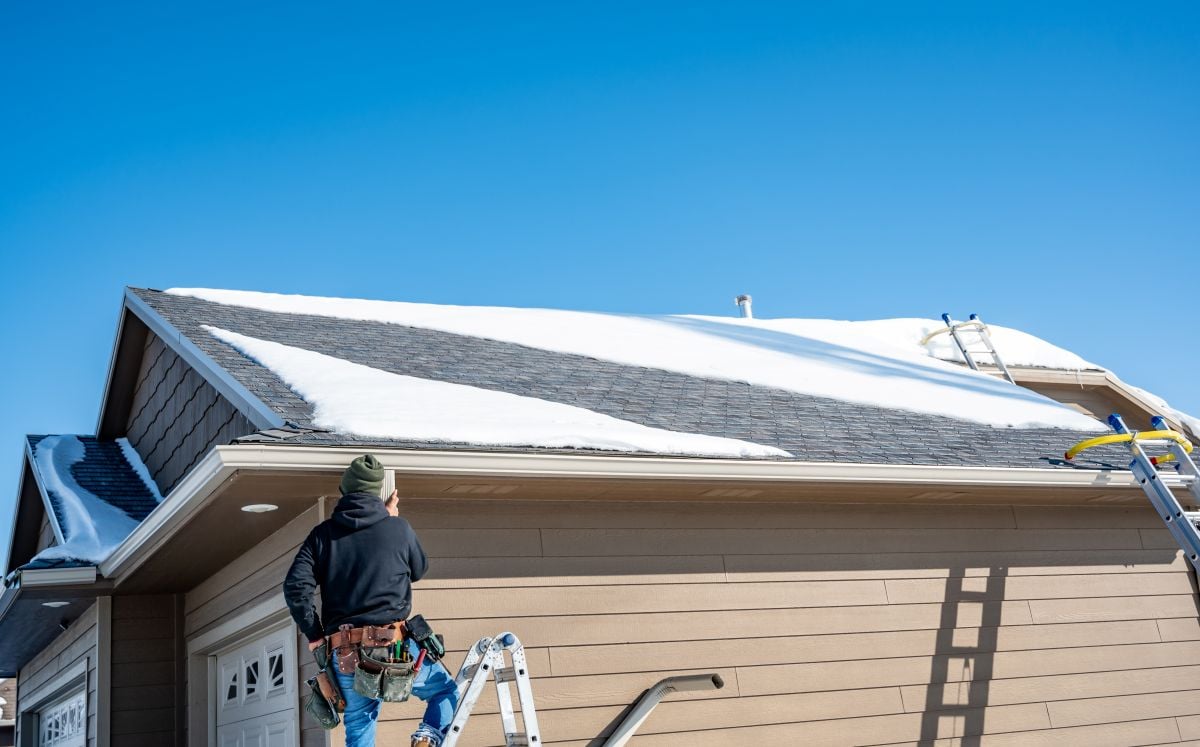
Can I Get a New Roof in Winter? What Spokane Homeowners Should Know
If you’re asking “can I get a new roof in winter here in Spokane”, the answer is yes, winter roof replacement is absolutely possible, but there are important factors to weigh before scheduling work in December, January, or February. Cold temperatures, snow, and shorter daylight hours all influence how a roof installation goes, as do specific weather conditions that can impact material performance, installation timelines, and safety. Understanding these trade-offs helps you decide whether to move forward now or wait for warmer months.
In the winter months, scheduling a roof replacement often comes with advantages like lower costs and increased contractor availability. The peak season for roofing is typically late spring through fall, when demand is highest due to more predictable weather. By contrast, the winter months are considered off-peak, which can mean better pricing and more flexible scheduling for your project.
In this guide, you will learn:
- When winter roof replacement makes sense: The situations where waiting is not an option and winter installation is the right call.
- What changes about the installation process: How cold weather affects materials, timing, and crew procedures during a winter job.
- How to choose the right contractor for cold weather work: What to look for in a Spokane roofer who can deliver quality results in winter conditions.
Understanding Winter Roof Replacement in Spokane

Spokane winters are cold, snowy, and unpredictable, but they do not automatically rule out roof replacement. However, winter brings unique challenges for roofing projects, such as fluctuating temperatures, snow accumulation, and safety concerns, making careful planning essential to ensure a successful outcome. Understanding how the season affects the work helps many homeowners make informed decisions when planning roofing projects during the colder months.
How Cold Weather Affects Roofing Materials
Asphalt shingles, the most common roofing material in Spokane, behave differently in cold weather than they do in summer. Per the Asphalt Roofing Manufacturers Association, asphalt shingles tend to become less flexible in cold weather, generally below 40 degrees Fahrenheit, and most manufacturers recommend installation at or above that threshold for best results. Below 40 degrees, shingles can crack during handling, the thermal sealant strips need extra time or hand-sealing to bond properly, and crews must take extra precautions to avoid damage. None of this makes winter installation impossible, but it does require an experienced contractor who knows the cold-weather protocols.
- Shingle flexibility: Asphalt shingles become stiffer and more brittle as temperatures drop below 40 degrees Fahrenheit.
- Sealant activation: Thermal seal strips need warmth and sun to bond, which may require hand-sealing in winter installs.
- Adhesive performance: Roofing cements, ice-and-water shield, and synthetic underlayments all have temperature sensitivities.
- Storage requirements: Shingles must be stored in a heated area before installation to maintain flexibility on the roof.
Why Some Spokane Homeowners Choose Winter
Not every roof can wait for spring, and winter replacement is sometimes the smartest move. A storm-damaged roof, an active leak, or a failing system that lets cold air and moisture into the home all create urgent needs that cannot be delayed by months. Other Spokane homeowners actively prefer winter scheduling because crews are typically more available, lead times shorten, and some contractors offer off-season pricing. The key is matching the timing to your specific situation rather than assuming winter is automatically off-limits.
- Active leaks: A leaking roof in winter cannot wait, because each storm causes more water and structural damage.
- Storm damage: Wind, hail, and snow load events often happen in winter and require prompt insurance-driven repairs.
- Faster scheduling: Spring and summer are peak roofing season, so winter often offers shorter wait times.
- Off-season pricing: Some contractors offer winter discounts or promotional pricing during slower months.
6 Things Spokane Homeowners Should Know About Winter Roof Replacement
Before signing a contract for winter roof work, there are several specific factors to understand. Each one shapes the timeline, the cost, and the long-term performance of your new roof, so taking the time to learn what to expect pays off in real ways.
1. Temperature and Weather Windows Matter
Winter roof replacement in Spokane revolves around weather windows. Crews need temperatures at or above 40 degrees, dry roof surfaces, and minimal wind to install asphalt shingles correctly. Spokane often sees stretches of mild, dry winter weather between storms, and experienced contractors plan installations around these windows. Your roof may be torn off and installed in a single 2-3 day window, or the work may pause for a snowstorm and resume once conditions improve. Flexibility on your end and clear communication from your contractor are essential.
- Forecast monitoring: Reputable contractors check 7-10 day forecasts before scheduling and confirming work dates.
- Mild stretches: Spokane winters often include 40-50 degree daytime windows that allow safe installation.
- Pause days: Crews may halt work for snow events and resume once the roof is cleared and dry.
- Tarp protection: During pauses, crews tarp the exposed deck to protect the home from precipitation.
2. Cold-Weather Installation Requires Extra Steps

A quality winter installation includes several extra steps that summer jobs do not require. Shingles must be stored indoors and brought up in small batches, hand-sealing is often needed in place of solar-activated thermal sealant, and crews work more deliberately to prevent shingle damage. These extra steps add time and labor to the work, but they protect the long-term integrity of your roof. A contractor who skips these steps to save time is putting your roof at risk for premature failure, blow-offs, and warranty issues.
- Heated storage: Shingles must be stored above 50 degrees Fahrenheit until immediately before use.
- Hand-sealing: Roofing cement applied by hand replaces the natural solar bonding process during cold installs.
- Slower pace: Crews work more carefully to avoid cracking brittle shingles during handling and nailing.
- Specialized underlayment: Cold-weather membranes and ice-and-water shield are essential in Spokane installations.
3. Tear-Off Reveals Hidden Issues Faster
One often-overlooked benefit of winter roof replacement is that hidden problems become obvious quickly. Once the old shingles come off, your contractor can immediately see rotted decking, damaged flashing, and ventilation issues that may have been hiding for years. In winter, these problems are often the very reason you needed a new roof in the first place, and addressing them right away prevents them from getting worse through the rest of the cold season. The tear-off also gives you a clear understanding of the true condition of your roof system.
- Rotted decking: Soft or damaged plywood becomes visible and can be replaced before new shingles go on.
- Old flashing problems: Failed flashing around chimneys, vents, and skylights gets diagnosed and corrected.
- Ventilation deficiencies: Inadequate intake or exhaust vents can be addressed as part of the new install.
- Ice dam evidence: Stains and damage from past ice dams point to needed insulation or ventilation upgrades.
4. Snow and Ice Add Complexity to the Job
Snow and ice on your roof do not necessarily stop a replacement, but they do add complexity. Crews must clear snow before tear-off begins, which adds time and cost to the overall job. Ice dams along eaves may need to be carefully removed, and any frozen debris in valleys or around penetrations must be addressed before new materials go on. A contractor experienced with Spokane winters knows how to manage snow removal safely without damaging the roof deck or creating slip hazards for the crew.
- Snow removal: Accumulated snow must be carefully cleared before any tear-off can begin.
- Ice dam removal: Frozen ice along eaves requires specialized tools and careful technique.
- Frozen valleys: Ice trapped in valleys must be melted or chipped away before new flashing can be installed.
- Crew safety: Slick surfaces require extra fall protection equipment and slower work pace.
5. Daylight Hours Are Shorter
Spokane winter days are short, with effective daylight running roughly from 8 AM to 4 PM in December and January. This compressed window means crews have less time per day to work, which can extend the overall project timeline by a day or two compared to a summer install. A good contractor accounts for this in the schedule and starts early each day to maximize productive hours. If your contractor promises a same-timeline winter install with no schedule adjustment, ask how they plan to work around shorter daylight without cutting corners.
- Compressed work day: Effective daylight hours run roughly 8 AM to 4 PM in midwinter.
- Early starts: Quality crews arrive at first light to maximize productive working time.
- Extended timeline: Most winter installs take one to two days longer than equivalent summer jobs.
- No artificial lighting: Roofing should not be installed by floodlight, which compromises quality and safety.
6. Warranty and Manufacturer Requirements Still Apply
Manufacturer warranties remain in full effect for winter installations, but only when the contractor follows the cold-weather installation instructions exactly. This is one of the most important reasons to choose an experienced local contractor for a winter job. Skipping hand-sealing, installing on a frosty deck, or using the wrong underlayment can void your warranty and leave you without recourse if problems emerge later. Ask your contractor specifically how they handle cold-weather installations and which manufacturer protocols they follow on every winter install.
- Cold-weather protocols: Each manufacturer publishes specific cold-weather installation requirements.
- Hand-sealing documentation: Reputable contractors document hand-sealing as part of the warranty file.
- Frost-free deck: Installation on a frosty or icy deck voids virtually all manufacturer warranties.
- Approved materials: Cold-weather underlayments, sealants, and accessories must meet manufacturer specifications.
Choosing the Right Spokane Contractor for Winter Work

Not every roofing contractor is equipped to handle winter installations correctly. The right contractor combines local experience, proper training, and a clear plan for working through Spokane’s cold months.
What to Look For in a Winter Roofing Contractor
A contractor who installs roofs year-round in Spokane has the experience, equipment, and crew to deliver quality work in cold weather. They know how to read forecasts, schedule around storms, store materials properly, and follow manufacturer cold-weather protocols. Beware of contractors who only work seasonally or who treat winter installs as routine summer jobs. Ask specific questions about their cold-weather process, request references from past winter installations, and confirm that all work meets manufacturer specifications.
- Year-round operation: Choose a contractor who installs through Spokane winters every year, not just spring and summer.
- Cold-weather references: Ask for contact info from homeowners whose roofs were installed in December, January, or February.
- Written process: A reputable contractor can explain their winter installation protocols clearly and in writing.
- Manufacturer certifications: Certified installers have completed manufacturer training on cold-weather requirements.
Questions to Ask Before Signing a Winter Contract
Before committing to a winter roof replacement, get clear answers to a handful of specific questions. The answers reveal whether the contractor truly understands cold-weather work or is simply trying to fill the off-season schedule. A contractor who hesitates, gives vague answers, or dismisses your concerns about winter installation is a red flag. The right contractor welcomes these questions because they demonstrate the homeowner’s commitment to a quality outcome.
- Temperature minimums: What is the minimum temperature at which they will install asphalt shingles?
- Hand-sealing process: How do they handle thermal seal strips that will not activate in cold weather?
- Weather contingency: What happens if a snowstorm hits midway through the install?
- Warranty coverage: Can they provide written confirmation that the manufacturer warranty applies to winter installations?
Trust Alpine Roofing for Your Spokane Winter Roof Replacement
When the question is can I get a new roof in winter, Alpine Roofing has the local experience, year-round crews, and cold-weather expertise to deliver a quality roof no matter the season. Our team works through every Spokane winter, following manufacturer cold-weather protocols precisely so your new roof comes with full warranty protection and lasting performance. Whether you are dealing with an active leak, recent storm damage, or simply ready to move forward with your roof replacement, we will guide you through the timing, the process, and the materials best suited to a winter install. Contact Alpine Roofing today for a free consultation and expert guidance on getting a new roof in Spokane this winter.
Fresh From Our Blog

Happy Roof, Happy Home


