



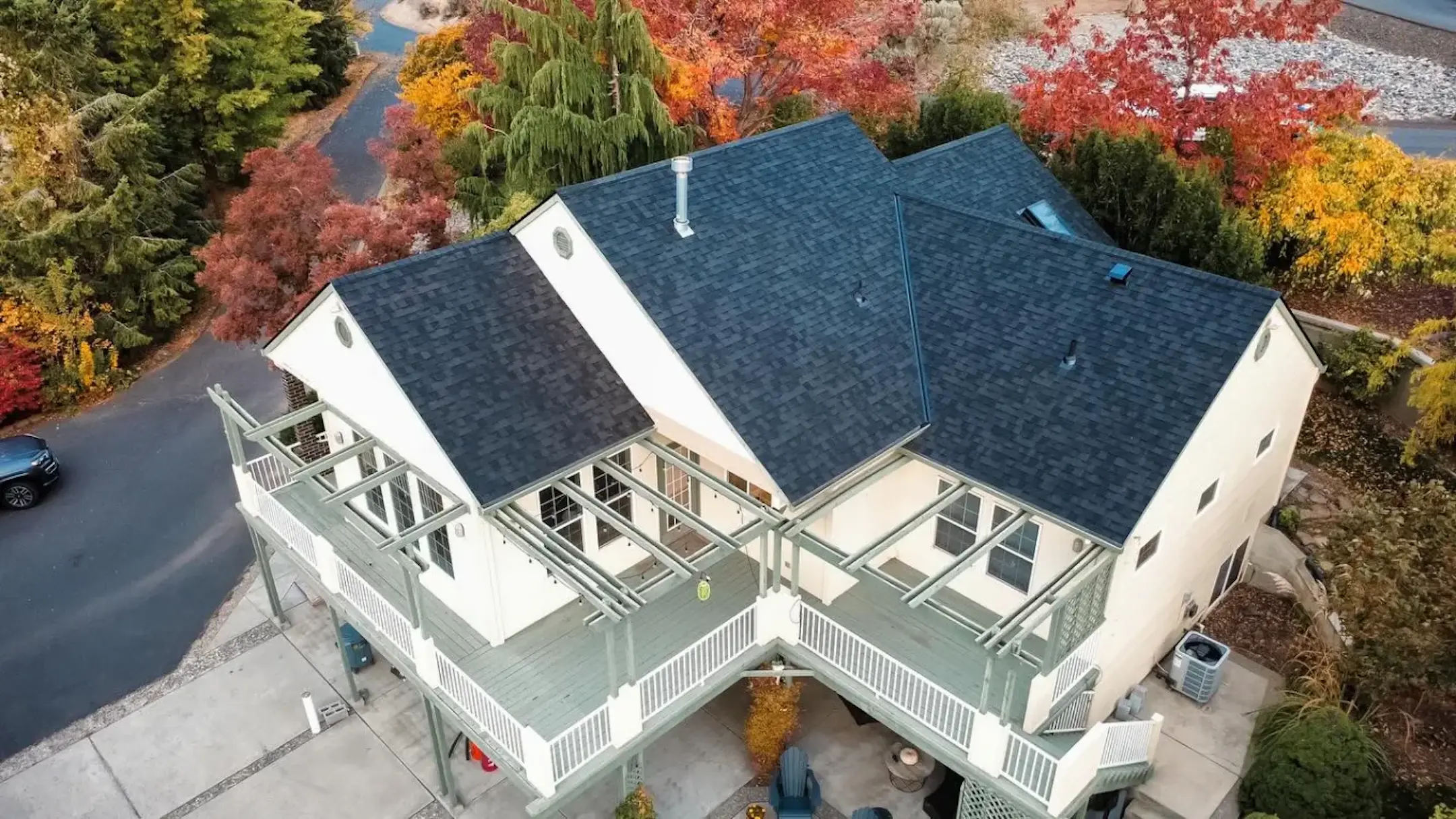
Architectural Shingles vs 3 Tab: Why Homeowners Upgrade
Architectural shingles have become the dominant residential roofing choice across the United States, outpacing traditional 3-tab shingles in nearly every performance category from wind resistance to lifespan to curb appeal. Homeowners considering a new roof or replacement today face a clear choice between the two options, and understanding the real differences in construction, durability, warranty, and long-term value makes it easier to pick the right shingle for your home.
In this guide, you will learn:
- What separates architectural shingles from 3-tab construction: The physical and performance differences that matter most.
- The 6 key differences homeowners should weigh: A clear breakdown of wind, impact, lifespan, and cost.
- Why most homeowners now upgrade to architectural: The practical reasons driving the shift and when the upgrade makes the most sense.
Understanding Architectural Shingles and 3-Tab Shingles
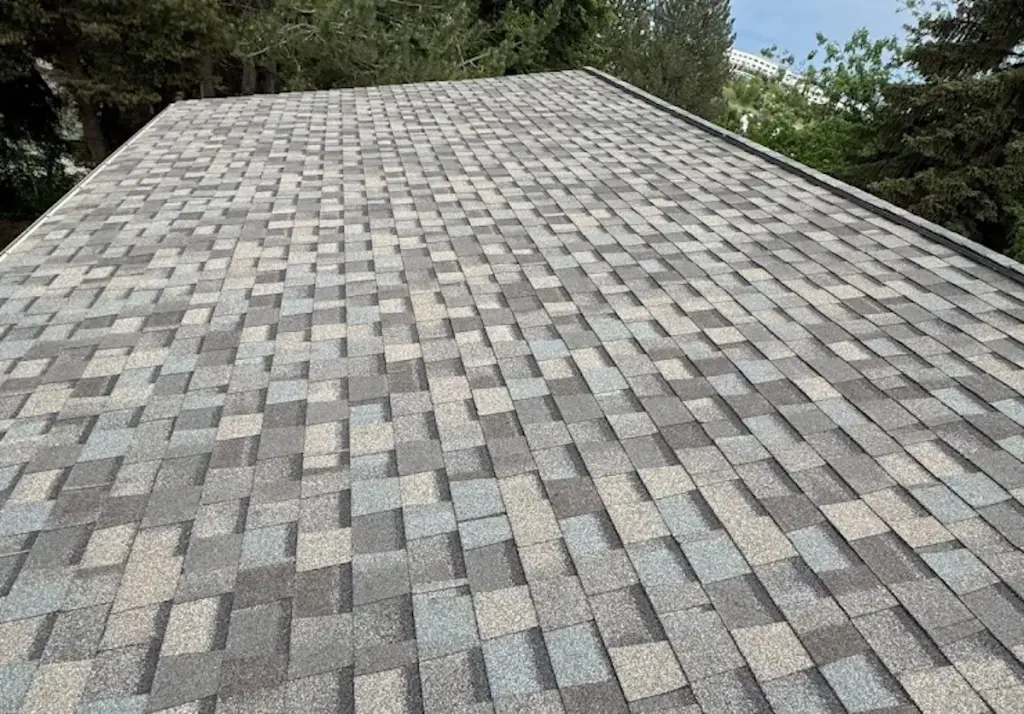
Architectural and 3-tab shingles share the same core materials (asphalt, fiberglass mat, and mineral granules) but differ significantly in construction, weight, and performance. Understanding what each shingle actually is helps homeowners make an informed choice.
What Are Architectural Shingles?
Architectural shingles, also called dimensional or laminated shingles, are asphalt roofing shingles built from multiple bonded layers that create a thicker, heavier, and more textured appearance than traditional shingles. Each architectural shingle typically weighs 250 to 400 pounds per square (100 square feet of coverage), roughly 50 percent more material than a comparable 3-tab shingle. The laminated construction eliminates the tab cutouts found on 3-tab shingles, replacing them with random-length shingle tabs that mimic the look of natural wood shakes or slate. Modern architectural shingles dominate residential roofing because they deliver longer lifespans, better weather resistance, and more attractive aesthetics.
- Laminated construction: Multiple asphalt layers bonded together create thicker, more durable shingles.
- Heavier weight: 250 to 400 pounds per square versus 200 to 250 for 3-tab shingles.
- Dimensional appearance: Random tab lengths create a shadow-line effect that looks like premium roofing.
- Modern standard: Architectural shingles are the most-installed residential roofing type in the U.S.
What Are 3-Tab Shingles?
3-tab shingles are the traditional flat, single-layer asphalt shingle that dominated American residential roofing from the 1950s through the early 2000s. Each 3-tab shingle features three evenly-spaced tabs cut into the exposed edge, creating the classic repeating pattern that homeowners recognize on older homes. The single-layer construction makes 3-tab shingles thinner (approximately 3/16 inch) and lighter than architectural options, which reduces upfront cost but also reduces durability, wind resistance, and warranty terms. 3-tab shingles remain available today but represent a shrinking share of the market as architectural shingles offer better long-term value.
- Single-layer design: Flat, uniform construction with three evenly-spaced tabs cut into each shingle.
- Lighter weight: 200 to 250 pounds per square, less material than architectural options.
- Lower cost: Cheaper upfront than architectural, running $3.50 to $5.00 per square foot installed.
- Declining market share: Losing ground to architectural shingles across most residential markets.
6 Key Differences Between Architectural Shingles and 3-Tab Shingles
The 6 most important differences between architectural shingles and 3-tab shingles are construction, wind resistance, impact resistance, lifespan, appearance, and total cost of ownership. Together these factors explain why most homeowners now upgrade to architectural when replacing an aging roof.
1. Construction and Design
Architectural shingles use multi-layer laminated construction while 3-tab shingles use a flat single-layer design, and this fundamental difference drives nearly every performance advantage architectural shingles offer. Architectural shingles bond two or more layers of asphalt-coated fiberglass mat together with strong adhesives, creating a thicker, heavier shingle with random-length tabs that break up the sight line. 3-tab shingles use a single layer of the same base materials cut into three equal tabs. The laminated architectural design distributes stress across a larger area and eliminates the weak seam points where 3-tab shingles typically fail first.
- Layer count: Architectural shingles use 2 or more bonded layers; 3-tab uses a single layer.
- Thickness: Architectural shingles are noticeably thicker at the exposed edge.
- Adhesive strips: Architectural adhesive runs the full shingle length for stronger bonding.
- No tab cutouts: Architectural design eliminates the weak seam points that plague 3-tab shingles.
2. Wind Resistance
Wind resistance is one of the most dramatic performance differences between architectural shingles and 3-tab shingles, and it directly affects both storm survival and warranty coverage. The International Residential Code Section R905.2.6.1 requires asphalt shingles to be classified under ASTM D3161 or ASTM D7158 wind resistance testing, with Class F or Class H shingles acceptable for use in all wind zones. Architectural shingles typically achieve these top classifications, corresponding to certified wind speeds of 110 to 150 mph. Standard 3-tab shingles usually rate at Class A (60 mph) or Class D (90 mph), making them unsuitable for many high-wind areas under current code.
- Architectural rating: ASTM D7158 Class F (up to 130 mph) or Class H (up to 150 mph).
- 3-tab rating: Typically ASTM D3161 Class A (60 mph) or Class D (up to 90 mph on premium versions).
- Seam vulnerability: 3-tab tabs lift and blow off at wind speeds architectural shingles easily withstand.
- Warranty implications: Higher wind ratings often extend warranty coverage against wind damage.
3. Impact and Hail Resistance
Impact resistance measures how well a shingle survives hail strikes and falling debris, and architectural shingles dramatically outperform 3-tab shingles in this category. Underwriters Laboratories Standard 2218 defines Class 1 through Class 4 impact ratings based on steel ball drop tests, with Class 4 being the highest and typically only achieved by premium architectural shingles. Class 4 impact-resistant architectural shingles resist damage from 2-inch diameter hailstones, which is enough to protect against most hail events. Many insurance carriers offer premium discounts of 20 to 30 percent for Class 4 rated roofs in hail-prone regions, which improves the long-term math on the upgrade.
- Class 4 availability: Only architectural shingles typically achieve UL 2218 Class 4 impact ratings.
- Steel ball testing: Class 4 shingles survive 2-inch steel balls dropped from significant height.
- Insurance discounts: Many carriers reduce premiums 20 to 30 percent for Class 4 rated roofs.
- 3-tab performance: Basic 3-tab shingles rarely exceed Class 1 or Class 2 impact ratings.
4. Lifespan and Warranty
Architectural shingles significantly outlast 3-tab shingles across virtually every climate and installation, and the warranty terms reflect this durability gap. Quality architectural shingles typically carry 30-year to lifetime limited warranties from major manufacturers, while 3-tab shingles usually top out at 25-year warranties with real-world lifespans of 15 to 20 years. The thicker construction, better adhesive systems, and improved granule retention on architectural shingles all extend usable roof life. For most homeowners, the longer lifespan alone makes architectural shingles a better financial decision even before considering wind, impact, and aesthetic benefits.
- Architectural warranty: 30-year to lifetime limited coverage on most major brands.
- 3-tab warranty: Typically 20 to 25 years, with real-world performance shorter than the warranty.
- Actual lifespan: Architectural shingles routinely reach 25 to 30 years; 3-tab often fails at 15 to 20.
- Warranty transferability: Many architectural shingle warranties transfer to new home buyers.
5. Curb Appeal and Home Value
Architectural shingles deliver noticeably better curb appeal than 3-tab shingles, and the aesthetic upgrade directly translates to higher home resale value. The dimensional, shadowed appearance of architectural shingles mimics the look of natural cedar shake or slate at a fraction of the cost, while flat 3-tab shingles produce a uniform, repeating pattern that reads as basic or dated. Real estate appraisers and buyers consistently value homes with architectural shingle roofs higher than those with 3-tab roofs, and the return on investment when reselling routinely justifies the upgrade cost.
- Dimensional look: Random tab lengths create shadow lines that mimic wood shake or slate.
- Color options: Architectural shingles come in wider ranges of colors, blends, and styles.
- Resale value: Homes with architectural shingle roofs typically appraise and sell for more.
- Buyer perception: Modern buyers see architectural as standard and 3-tab as dated or budget.
6. Cost and Long-Term Value
Architectural shingles cost more upfront than 3-tab shingles but almost always deliver better long-term value across the life of the roof. Architectural shingles run $4.00 to $8.50 per square foot installed, while 3-tab shingles cost $3.50 to $5.00 per square foot. For a 2,000 square foot roof, the difference typically runs $2,000 to $6,000, which spreads over an additional 10 to 15 years of roof life plus reduced repair costs, storm damage risk, and insurance premiums. Most homeowners recoup the upgrade cost through longer service life and avoided repairs alone.
- Installed cost: $4.00 to $8.50 per square foot for architectural versus $3.50 to $5.00 for 3-tab.
- Total home cost: $2,000 to $6,000 more for architectural on a typical 2,000 square foot roof.
- Life-cycle cost: Architectural typically costs less per year of service life than 3-tab.
- Avoided expenses: Fewer repairs, lower insurance premiums, and higher resale value all improve the math.
Why Homeowners Upgrade From 3-Tab to Architectural Shingles
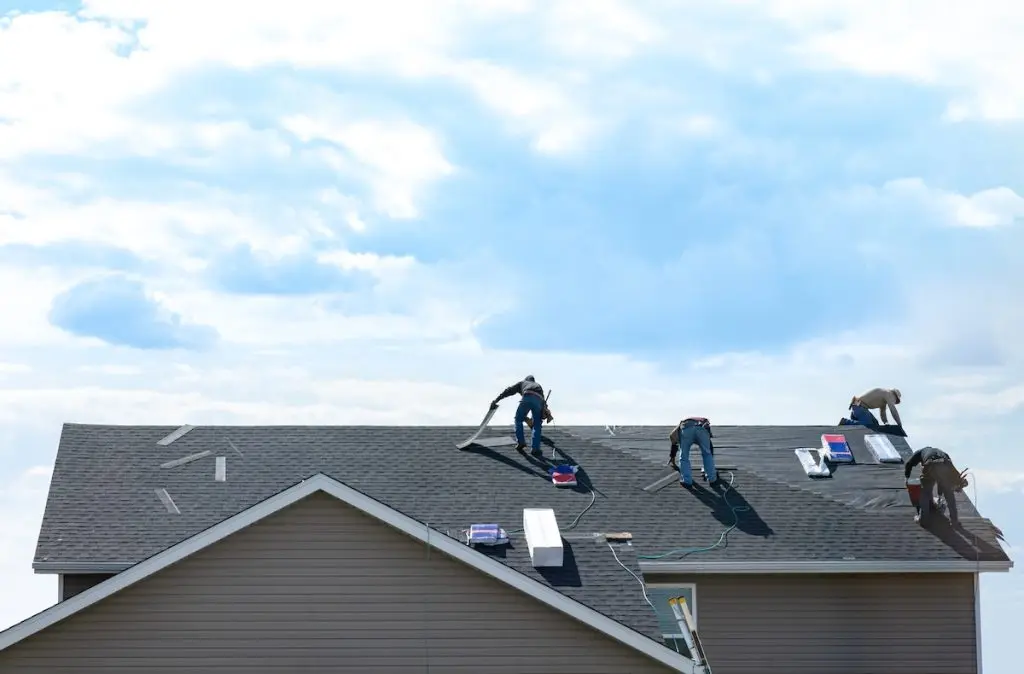
The reasons homeowners upgrade from 3-tab to architectural shingles come down to durability, appearance, insurance benefits, and total cost of ownership. Understanding what drives most upgrade decisions helps homeowners evaluate their own situation.
What Drives Most Homeowners to Choose Architectural Shingles?
The factors that drive most homeowners to choose architectural shingles include better wind resistance, longer warranties, improved curb appeal, and potential insurance discounts on impact-rated products. The wind rating gap alone (110 to 150 mph for architectural versus 60 to 70 mph for 3-tab) is enough for many homeowners to upgrade, especially in regions with regular storms. Long warranties provide financial peace of mind on what is one of the largest investments most homeowners ever make. Curb appeal drives interest among homeowners planning to sell within the next 5 to 10 years, and Class 4 impact ratings drive interest in hail-prone regions.
- Storm protection: Higher wind and impact ratings reduce repair and replacement costs.
- Longer warranty: 30-year to lifetime coverage provides financial confidence.
- Home value: Improved curb appeal supports higher resale values.
- Insurance benefits: Class 4 impact ratings can lower homeowners insurance premiums.
When Does Upgrading Make the Most Financial Sense?
Upgrading to architectural shingles makes the most financial sense when replacing an entire roof, planning to stay in the home 10 or more years, living in a region with regular storms or hail, or preparing the home for resale. Full replacements are the natural upgrade point because the labor cost is the same regardless of shingle type, so paying incrementally more for materials produces disproportionate value. Long-term ownership lets the extended warranty and reduced repair costs pay back the upgrade investment.
- Roof replacement timing: The upgrade cost is much smaller during a full replacement than mid-life switch.
- Long-term ownership: Homeowners staying 10+ years capture the full value of extended lifespan.
- Storm-prone regions: Areas with wind, hail, or heavy weather benefit most from the durability upgrade.
- Resale preparation: Homes preparing to sell within 5 years often earn back the upgrade at closing.
Frequently Asked Questions About Architectural Shingles vs 3-Tab
Are Architectural Shingles Really Worth the Extra Cost?
Yes, architectural shingles are worth the extra cost for most homeowners because the longer lifespan, better warranty, improved storm resistance, and higher resale value together deliver a strong return on the additional $2,000 to $6,000 investment. Most homeowners recover the upgrade cost through extended service life and avoided repairs alone. The exception is short-term ownership plans of 5 years or less on a roof already at end-of-life.
How Long Do Architectural Shingles Last?
Architectural shingles typically last 25 to 30 years in most climates, with premium products under ideal conditions reaching 40 or even 50 years. Real-world lifespan depends on climate, installation quality, attic ventilation, and maintenance. By comparison, 3-tab shingles typically last 15 to 20 years, with premature failures common in harsh climates or under poor ventilation.
Can You Install Architectural Shingles Over 3-Tab Shingles?
You can sometimes install architectural shingles over existing 3-tab shingles in a single-layer overlay, but full tear-off is generally recommended for the best long-term performance. Overlay installations save on disposal costs but add weight to the roof, can trap moisture, may void manufacturer warranties, and typically shorten the new roof’s lifespan by several years. A roofing contractor can assess whether overlay makes sense for your specific home.
What Wind Speed Can Architectural Shingles Withstand?
Quality architectural shingles typically withstand wind speeds of 110 to 130 mph under ASTM D7158 Class F testing, with premium products reaching Class H ratings up to 150 mph. Actual wind resistance depends on proper installation with the correct nail pattern, underlayment, and adhesive activation. By comparison, 3-tab shingles typically max out at 60 to 70 mph wind resistance.
Are There Any Cases Where 3-Tab Shingles Make More Sense?
3-tab shingles occasionally make more sense on very short-term ownership plans (2 to 5 years before selling), on rental properties where minimum upfront cost matters most, or on non-primary structures like small outbuildings and detached garages. For primary residences with long-term ownership plans, architectural shingles nearly always deliver better value despite the higher upfront cost.
Trust Alpine Roofing for Expert Architectural Shingle Installation
When it comes to choosing between architectural shingles and 3-tab shingles, the right decision combines your budget, ownership timeline, local climate, and long-term goals for the home. Alpine Roofing has years of experience installing both shingle types and helping homeowners make the right choice for their specific situation, with the manufacturer certifications and craftsmanship needed to maximize the lifespan of whichever product you select. Whether you are replacing an aging 3-tab roof, upgrading to architectural for the first time, or exploring premium impact-rated options, our team will provide clear guidance and detailed written estimates so you know exactly what you are getting. Contact Alpine Roofing today for a free inspection and expert recommendation on the right shingle for your home.
Fresh From Our Blog
Happy Roof, Happy Home