



How to Get Insurance to Pay for Roof Replacement (2026)
Learning how to get insurance to pay for roof replacement starts with understanding what your homeowners policy actually covers, documenting damage properly, and following the correct filing process from the day the damage occurs. Homeowners across the country recover tens of thousands of dollars in roof replacement costs through insurance every year, but many others get their claims denied or underpaid due to missed deadlines, incomplete documentation, or common mistakes that could have been avoided with the right preparation.
In this guide, you will learn:
- When insurance covers roof replacement: Which types of damage qualify and which do not.
- The 7 steps to getting your claim approved: A clear process from documenting damage through completing the repair work.
- How to handle common problems: What to do if the adjuster’s estimate is too low or your claim is denied outright.
Understanding When Insurance Covers Roof Replacement

Homeowners insurance covers roof replacement when the damage results from a sudden, accidental, and covered peril, but does not cover damage from age, wear, or lack of maintenance. Knowing where the line falls between covered and uncovered damage is the foundation of any successful claim.
Types of Roof Damage Insurance Typically Covers
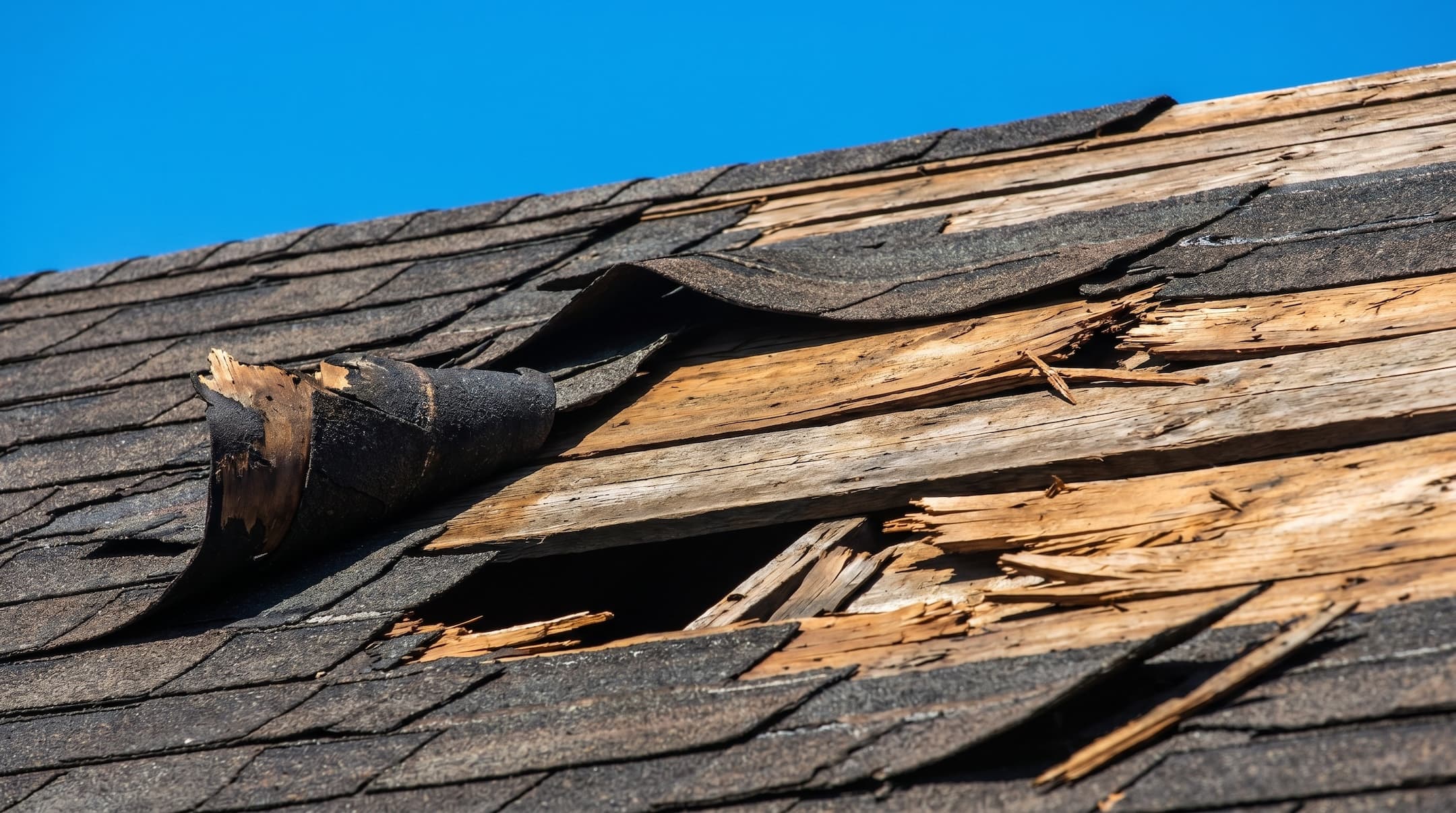
Homeowners insurance typically covers roof damage caused by sudden events including wind, hail, fallen trees, lightning strikes, and fire. Most standard policies also cover damage from ice dams, weight of snow, and certain types of vandalism, though the specific coverage details vary by insurer and state. Storm damage is the most common category of covered roof loss, and hail events are responsible for the majority of covered roof replacement claims in the United States. If damage occurred quickly, unexpectedly, and from an external cause, there is a strong chance insurance will cover the resulting repair or replacement.
- Wind damage: Lifted, torn, or missing shingles from wind gusts and storms.
- Hail damage: Bruised, cracked, or granule-stripped shingles from hail impacts.
- Falling objects: Tree limbs, debris, or other objects that strike the roof.
- Fire and lightning: Direct damage from fire, lightning strikes, or resulting smoke.
- Weight of snow or ice: Structural damage from accumulated snow load or ice dam damage.
Types of Damage Insurance Typically Denies
Homeowners insurance typically denies claims for damage caused by age, wear and tear, lack of maintenance, or pre-existing conditions the homeowner should have addressed. Gradual damage from moss growth, algae staining, granule loss due to aging, or slow leaks that developed over months or years all fall outside standard coverage. Insurers also frequently deny claims when documentation shows the roof was already at or beyond its expected lifespan. Understanding these exclusions upfront helps homeowners avoid filing claims that have little chance of approval and focus their efforts on legitimate storm-related damage.
- Aging and wear: Damage attributed to normal deterioration over the roof’s lifespan.
- Poor maintenance: Damage from moss, debris accumulation, or lack of routine care.
- Pre-existing damage: Issues that predated the storm or covered event.
- Gradual leaks: Slow water intrusion that developed over months or years.
- Cosmetic damage: Aesthetic issues without functional impact are sometimes excluded.
7 Steps to Get Insurance to Pay for Roof Replacement
The 7 steps to getting your insurance company to pay for roof replacement include documenting damage, reviewing your policy, getting a professional inspection, filing the claim, working with the adjuster, reviewing the estimate, and completing repairs with a trusted contractor. Following this process in order significantly improves the chance of a full, fair payout.
1. Document the Damage Immediately
Documentation is the foundation of every successful roof insurance claim, and it starts within hours of the storm or damage event. Take dated photos and videos of every visible sign of damage, including missing shingles, dented gutters, fallen debris, and any interior water stains that appear. Photograph the surrounding property too, including any damaged fences, neighbor properties, or debris in the yard, because this contextual evidence helps establish the scope of the storm event. Save receipts for any emergency repairs like tarping, and keep records of the exact date and time when damage was first noticed.
- Dated photos and videos: Capture every visible sign of damage from multiple angles.
- Interior documentation: Photograph ceiling stains, wet insulation, or water intrusion signs.
- Surrounding evidence: Document storm impact on the yard, neighbors, and general area.
- Emergency repair receipts: Save all receipts for tarping, temporary fixes, or debris removal.
2. Review Your Homeowners Insurance Policy
Before filing a claim, read your homeowners insurance policy thoroughly to understand your coverage, deductibles, exclusions, and filing deadlines. Policy documents include the declarations page (summary of coverage limits), the policy body (definitions and exclusions), and any endorsements or riders that modify standard coverage. Pay particular attention to windstorm and hail deductibles, which are often separate from your standard deductible and can be significantly higher, sometimes calculated as a percentage of the home’s value. Understanding what your policy covers before you file prevents surprises later in the claim process.
- Declarations page: Summary of coverage limits, deductibles, and effective dates.
- Exclusions section: Lists specific damage types and causes not covered by the policy.
- Wind and hail deductibles: Often separate from standard deductibles and calculated as percentages.
- Filing deadlines: Most policies require notification within a specific window after damage occurs.
3. Get a Professional Roof Inspection
A professional roof inspection from a qualified contractor is one of the most valuable steps in the claim process because most hail and wind damage is not visible from the ground. Roofing contractors can safely access the roof, identify subtle bruising, granule loss, and hidden damage that homeowners cannot spot on their own. A written inspection report with photos gives you concrete evidence to submit alongside your claim, and having a contractor identify all covered damage upfront prevents the adjuster from missing anything during their visit. Many contractors offer free storm damage inspections after major weather events.
- On-roof inspection: Contractors can safely access areas homeowners cannot see.
- Written report: Documented findings with photos support the claim submission.
- Damage identification: Professionals spot subtle bruising and granule loss adjusters may miss.
- Free assessment: Most reputable contractors offer no-cost post-storm inspections.
4. File Your Claim Promptly
File your insurance claim within days of the storm or damage event, not weeks or months later. Most homeowners insurance policies require prompt notification and impose filing deadlines that can range from days to years depending on state and specific policy terms. Delayed filings give insurers grounds to deny claims by arguing that damage worsened due to lack of prompt reporting or that the cause cannot be verified. Call your insurance company’s claim line, request a claim number in writing, and ask what documentation the insurer needs. Confirm all deadlines and next steps in writing.
- Prompt notification: File within days of the damage event, not weeks or months.
- Claim number: Request the claim number in writing along with the adjuster’s contact information.
- Written documentation: Confirm all filing deadlines and requirements in writing.
- State deadlines: Many states impose statutory limits on how long homeowners have to file.
5. Prepare for the Insurance Adjuster’s Visit
The insurance adjuster’s on-site inspection is one of the most critical moments in the claim process, and how you prepare directly affects the outcome. Have your roofing contractor present during the inspection so they can point out all damage and answer technical questions. Bring your documentation photos, inspection report, and policy information to the meeting. Walk through the property together and take notes on what the adjuster identifies and what they miss. Do not sign anything on the spot, and always request a copy of the adjuster’s written report before agreeing to a settlement.
- Contractor presence: Your roofer should attend the adjuster’s inspection.
- Documentation ready: Bring photos, reports, and policy details to the meeting.
- Note-taking: Document what the adjuster identifies and what they overlook.
- Do not sign: Never agree to a settlement without reviewing the adjuster’s full written report.
6. Review the Adjuster’s Estimate Carefully
Once you receive the adjuster’s estimate, review it line-by-line against your contractor’s assessment to identify any missing damage, understated repair scopes, or incorrect measurements. Common problems include ignored shingle bruises, missing decking replacement, no ice-and-water shield in required areas, and depreciation applied too aggressively. Your contractor can help you understand whether the estimate reflects the actual repair scope needed. If items are missing or values seem too low, you have the right to dispute the estimate and request a supplemental review before accepting the settlement.
- Line-by-line review: Compare the estimate against your contractor’s independent assessment.
- Scope check: Verify that all identified damage is included in the settlement.
- Depreciation review: Confirm the depreciation calculations match the roof’s actual age and condition.
- Dispute process: You have the right to request supplemental reviews for underestimated items.
7. Complete the Repairs With a Trusted Contractor
Once the claim is approved, choose a qualified, licensed local contractor to complete the repair or replacement work, and avoid storm-chasing crews that appear after major weather events. Washington state law gives homeowners the right to select their own contractor for the work, regardless of any recommendations from the insurance company. A reputable contractor will complete the work to insurance-approved specifications, document the completed job, and handle any supplemental claim items that arise during the actual repair. Keep copies of all invoices, permits, and warranty documentation for future reference.
- Contractor choice: You have the right to select your own contractor under Washington law.
- Avoid storm chasers: Out-of-area crews often disappear before warranty issues arise.
- Documentation: Keep invoices, permits, and warranty details in your permanent records.
- Supplemental claims: Report any additional damage discovered during repair work to the adjuster.
Working With Your Insurance Adjuster
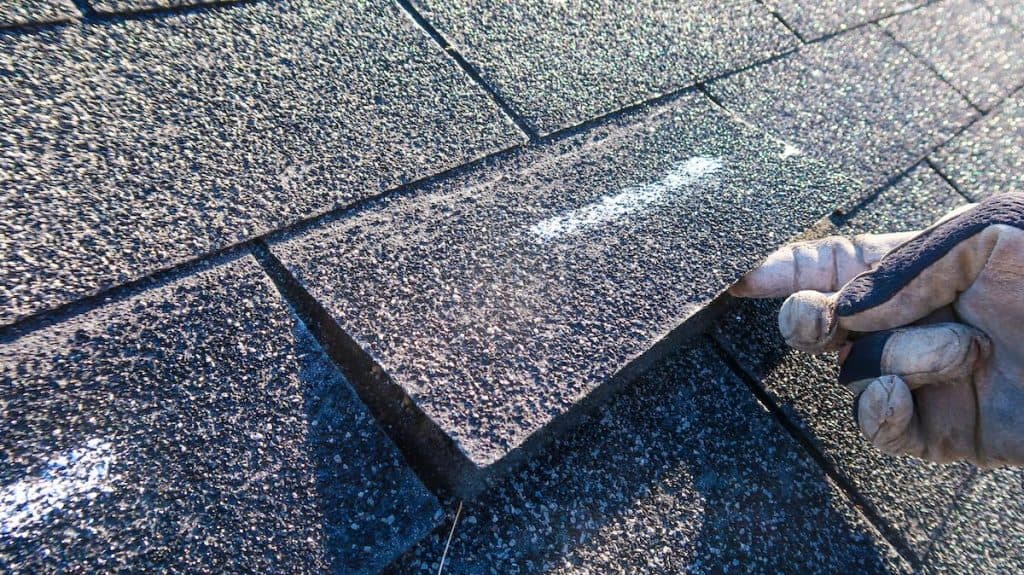
The insurance adjuster is the person who evaluates damage, applies your policy to the situation, and determines the settlement amount for your claim. Understanding the adjuster’s role and legal timelines helps you protect your interests throughout the process.
The Insurance Adjuster’s Role and Legal Timelines
Insurance adjusters work for the insurance company and are responsible for inspecting damage, applying policy terms, and calculating settlement amounts. According to the Washington State Office of the Insurance Commissioner, your insurance company has 30 days from the date you filed the claim to inspect the damage to your home, and you have the right to select your own contractor to complete the work rather than accepting the insurer’s recommendation. Adjusters have significant discretion in evaluating claims, which is why homeowner preparation and contractor advocacy during the inspection meeting matter so much.
- Insurer-employed: Adjusters work for the insurance company, not the homeowner.
- 30-day inspection rule: Washington insurers must inspect within 30 days of claim filing.
- Homeowner contractor choice: Washington law protects your right to choose your own contractor.
- Public adjuster option: Homeowners can hire an independent public adjuster to represent them.
Handling a Low Adjuster Estimate
If the adjuster’s estimate comes back significantly lower than your contractor’s assessment, you have several options to pursue a fair settlement. Start by requesting a supplemental inspection with your contractor present, providing detailed written documentation of the missed damage and comparison estimates. Insurance companies are required by Washington state law to act in good faith and conduct reasonable investigations of claims, and the Washington Office of the Insurance Commissioner accepts complaints about unfair claim handling. In serious disputes, hiring a public adjuster or an attorney experienced in insurance claims can be worth the additional cost.
- Supplemental inspection: Request a second inspection with your contractor present.
- Written comparison: Provide detailed documentation showing missed damage or lowballed estimates.
- File a complaint: The Washington OIC investigates unfair claim handling by insurers.
- Public adjuster: Independent professionals negotiate on the homeowner’s behalf for a percentage of the settlement.
- Legal help: For serious disputes, an insurance attorney can protect your rights.
Common Reasons Insurance Denies Roof Replacement Claims
Insurance companies deny roof replacement claims for a variety of reasons, ranging from legitimate exclusions to disputes about causation. Understanding the most common denial reasons helps homeowners avoid these pitfalls and prepare stronger claims from the start.
Wear and Tear Denials
The most common reason for roof replacement claim denials is the wear-and-tear exclusion, which insurers use to deny damage they attribute to aging rather than a specific event. If your roof is 15 or more years old, expect the adjuster to look closely at whether the damage could be characterized as aging rather than storm-related. Documentation showing the roof was in good condition before the damage event is one of the best defenses against a wear-and-tear denial, which is why pre-storm photos or recent inspection reports are so valuable. Contractors can also provide expert opinions distinguishing storm damage from age-related deterioration.
- Aging roofs: Roofs over 15 years old face more scrutiny during claim evaluation.
- Pre-storm documentation: Recent inspection reports help prove the roof was sound before damage.
- Contractor opinions: Professional assessments can distinguish storm damage from wear.
- Documented maintenance: Records of routine maintenance strengthen the claim.
Missed Filing Deadlines
Missing your policy’s filing deadline is one of the most common reasons roof replacement claims get denied outright. Most policies require notification within specific timeframes, ranging from days to a year or more depending on state and policy. Even legitimate storm damage claims can be denied if the filing came too late. This is why prompt notification, even for damage you are still evaluating, matters so much. File the initial claim as soon as damage is discovered, then supplement with additional information as inspections reveal the full scope.
- Prompt filing: Notify the insurer within days of damage discovery, not weeks or months.
- Policy-specific windows: Different policies have different filing deadlines.
- State statutes: Many states impose maximum deadlines regardless of policy terms.
- Preliminary claims: File initial notice quickly, then supplement with details as they emerge.
Frequently Asked Questions About Insurance Roof Replacement
How Long Do I Have to File a Roof Insurance Claim?
You typically have one to two years to file a roof insurance claim in most states, though specific deadlines depend on your policy and state law. Some states allow longer periods, while others have shorter deadlines, so check your policy documents and contact your insurer promptly. Filing as soon as possible after the damage produces the strongest claim because evidence and documentation are freshest immediately after the event.
Will My Premium Go Up if I File a Roof Claim?
Your homeowners insurance premium may go up after filing a roof replacement claim, though weather-related claims typically produce smaller rate increases than other claim types. Some insurers do not raise rates at all for first-time weather claims, while others apply modest increases. The value of a paid claim almost always exceeds any premium impact over the life of the policy.
Can I File a Roof Claim if I Bought the House Recently?
Yes, you can file a roof claim after recently buying a house, as long as the damage occurred during your ownership and after your policy took effect. Coverage begins the day your policy activates, and any covered damage from that point forward qualifies for claims. Pre-existing damage from before you owned the home is typically not covered unless the seller failed to disclose it, in which case that is a separate legal matter.
What Should I Do if My Roof Claim Is Denied?
If your roof claim is denied, review the denial letter carefully to understand the exact reason, then request a supplemental inspection with your contractor present. Insurance companies must provide written denial reasons and are required to conduct reasonable investigations under Washington state law. You can also file a complaint with the Washington Office of the Insurance Commissioner, hire a public adjuster to negotiate on your behalf, or consult an insurance attorney for serious disputes.
Do I Need to Get Multiple Contractor Estimates?
You do not need multiple estimates for insurance to approve your claim, but getting 2 or 3 estimates protects you from underpayment and helps identify the fair market cost of the repair. Insurance companies calculate settlements based on their own repair cost data, but multiple written estimates from qualified contractors give you leverage if the adjuster’s figure comes in low. Estimates should come from licensed, insured local contractors, not storm chasers.
Trust Alpine Roofing for Expert Insurance Claim Support
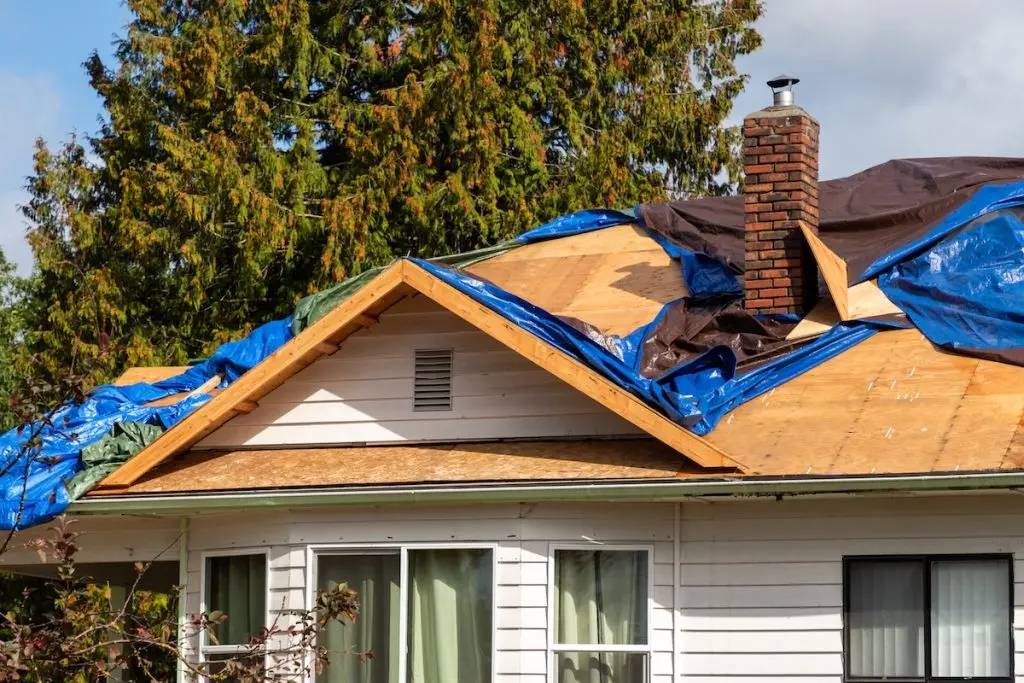
When it comes to how to get insurance to pay for roof replacement, having the right contractor on your side often makes the difference between a full payout and a claim that falls short. Alpine Roofing has years of experience working with insurance adjusters, documenting storm damage thoroughly, and helping homeowners navigate the claim process from initial inspection through final repair completion. Our team provides free storm damage inspections, detailed written reports, and adjuster meeting support to ensure every legitimate damage claim gets the attention it deserves. Contact Alpine Roofing today for a free inspection and expert guidance on handling your roof replacement insurance claim.
Fresh From Our Blog
Happy Roof, Happy Home